Every warehouse operates differently, which is why many storage facilities require a custom pallet racking design solution tailored to their workflow, stock volume and available space. A well-planned pallet racking system can improve operational efficiency, maximise storage capacity, create a safer working environment and reduce unnecessary costs.
Whether the goal is to increase space utilisation, streamline the picking processes, improve stock accessibility or enhance workplace safety, the right system makes a significant difference.
At Stamina Storage Systems, our experienced team of designers provides expert guidance throughout every stage of the pallet racking design process, helping warehouse managers create practical, scalable and cost-effective storage solutions suited to their operational needs.
1. Consider Inventory and Load Requirements
Before selecting a pallet racking system, it’s important to assess your inventory and load requirements to ensure the design supports both operational efficiency and long-term storage needs.
These factors to assess include things like pallet size, product weight, SKU variety and average stock turnover rates, which will all influence the type of pallet racking best suited to your facility.
Heavier loads may require reinforced racking structures, while businesses storing a wide range of SKUs often benefit from systems that provide direct access to every pallet location. High-turnover inventory may also require layouts designed for faster picking and replenishment.
The right racking for you depends on your overall needs and industry. Guidance from the experts here at Stamina Storage Systems can help you make the right decision.
Choose The Correct Type of Pallet Racking
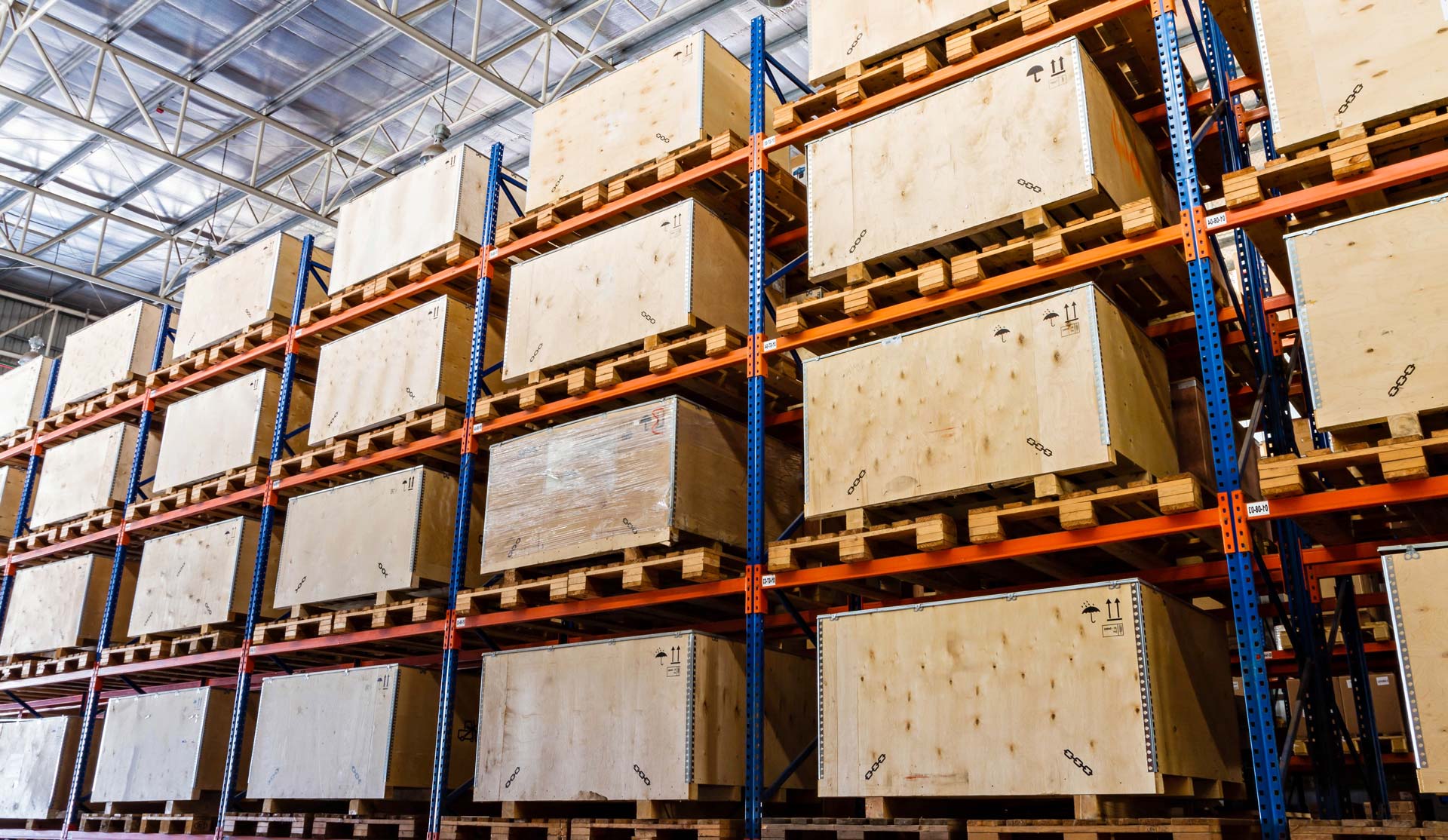
Selecting the right pallet racking system is essential for creating an efficient and productive warehouse environment. Different pallet racking solutions are designed to support different storage requirements, inventory types and operational workflows.
- Adjustable pallet racking – Arguably the most commonly used system, offering easy access to every pallet and both flexibility and scalability.
- Drive-in racking – An ideal choice for high-density storage where large quantities of similar products are stored together.
- Push-back racking – Designed to improve space utilisation by storing pallets several deep while still maintaining efficient stock rotation.
- Cantilever racking – Best suited for storing long, bulky or irregular-sized items such as timber, pipes or steel products.
- Shuttle racking – Uses automated shuttle systems to maximise storage density and improve efficiency in high-volume operations.
- Mobile racking – Eliminates the need for multiple access aisles by mounting racking systems on mobile bases, increasing storage capacity within limited spaces.
- Narrow aisle racking – Reduces aisle widths to create additional storage space while maintaining direct pallet access with specialised handling equipment.
2. Evaluate Aisles and Accessibility
Aisle width and worker or machine accessibility also plays a major role in the overall effectiveness of any pallet racking system. When designing a new layout, warehouse managers must consider the type of handling equipment being used, whether this be forklifts, reach trucks or pallet stackers. This is because each requires different turning circles and safe operating clearances.
Narrower aisles, on the one hand, can greatly increase storage density and maximise available floor space, but are more likely to require specialised equipment and carefully managed traffic flow. On the other hand, wider aisles are ideal for improved manoeuvrability, unloading efficiency and overall accessibility for staff and machinery alike.
It is also important to evaluate how frequently products need to be picked or replenished. Fast-moving inventory may require easier access locations, while slower-moving stock can often be stored in denser configurations. Well-planned pallet racking design should be able to balance storage capacity with safe and efficient access.
3. Review Your Picking Efficiency
A great way to decide which pallet racking solution would work best for your company is by reviewing your current system. If a bespoke pallet racking system can optimise your existing processes rather than revolutionising them, then this could be a better idea. It would require less renovation and training for staff members, saving both time and money.
Even with some state-of-the-art racking systems, if your stock is laid out poorly, then inefficiencies will remain. Poorly designed storage layouts often lead to unnecessary movements and handling errors, and longer picking times.
As an example, fast-moving stock should be at accessible heights rather than up in the rafters. As well as this, similar items should be grouped as such with consistently clear labelling and a comprehensive inventory organisation plan.
An effective pallet racking layout not only improves productivity but also creates a more organised warehouse environment that supports better stock control, faster turnaround times and improved operational accuracy.
4. Planning For Scalability and Flexibility
Setting up a brand new, efficient pallet racking system is great in the short-term, but what happens when your business grows again? Or during times of the year when there are stock fluctuations or changes? Scalability and overall flexibility are crucial features to implement in your new design. This forward thinking will help to avoid costly disruptions, limit the need for another new system and ensure that your warehouse will remain efficient even during operational evolution.
5. Safety and Compliance Considerations
Safety and compliance are essential in all aspects of any workplace, especially when introducing a new pallet racking system. Warehouses must ensure that any and all racking meets relevant standards and supports intended load capacities safely. Clear load signage helps staff follow safe operating procedures and reduces overloading risks. Regular rack inspections are also important for identifying damage, wear or structural concerns before they become hazards. These checks should be done every day, to be able to narrow down the time frame of when the damage occurred.
In busy warehouse areas, guards and barriers can protect racking from forklift impacts and prevent disruption. It needs to be remembered that a redesigned layout will likely affect staff movement and workflow. This means that making traffic routes, pedestrian walkways and loading areas obvious is important. Businesses should also review existing equipment compatibility with new systems and provide updated staff training to maintain safe, efficient operations.
Expert Pallet Racking Design Services
At Stamina Storage Systems, our experts provide specialist pallet racking design services that are tailored to the operational needs of businesses across a wide range of industries. Whether you are operating a small warehouse, large national distribution centre or high-volume, global logistics facility, our experienced team is on hand to develop practical storage upgrades that can improve efficiency, maximise capacity, enhance scalability and support long-term growth.
We are happy to assist with complex layouts, limited floor space and the most demanding storage requirements, helping businesses optimise available space without compromising on workplace safety or general accessibility. Our turnkey process supports you from the initial planning stages right through to final installation guidance. We make sure to work closely with warehouse managers to create customised pallet racking systems that support current operations while allowing flexibility for future business demands and expansion.