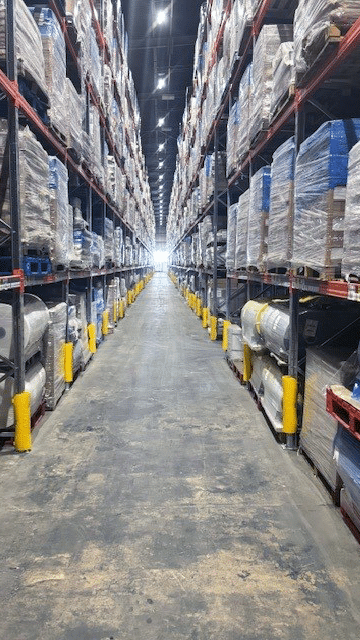
For many warehouse operators and 3PL providers, growing demand often creates a familiar challenge: you’ve run out of storage space, but relocating to a larger facility is expensive, disruptive, and time-consuming.
The good news is that moving premises isn’t always necessary. In many cases, warehouses can increase storage capacity by 20-50% through smarter use of existing space, improved warehouse layouts, and the right storage systems.
In this guide, we’ll explore practical ways to maximise warehouse capacity without the cost and disruption of a relocation.
Why warehouses run out of space
Before you invest in additional storage, it’s important to understand why capacity issues occur in the first place. Many businesses assume they simply need a larger building, but in reality, the cause is often inefficient use of existing space rather than a lack of square footage.
Therefore. identifying the underlying issue can help businesses choose the most cost-effective solution, whether that’s upgrading pallet racking, redesigning the warehouse layout, or improving inventory management processes.
Common factors include business growth leading to higher inventory levels, expanding product ranges that require more storage locations, seasonal stock increases, inefficient warehouse layouts, underutilised vertical space, outdated pallet racking systems, and poor stock management practices.
In many cases, warehouses appear to have run out of space when the real issue is inefficient use of existing capacity. By assessing current storage systems and warehouse operations, businesses can often increase storage capacity significantly without relocating. Solutions such as upgrading pallet racking, optimising warehouse layouts, and making better use of available height can unlock valuable space while improving operational efficiency.
Make better use of vertical space
One of the most effective ways to increase warehouse capacity is by utilising unused vertical space. Many warehouses only use a fraction of their available building height, leaving valuable storage capacity untapped.
By installing taller pallet racking systems, businesses can:
- Store more pallets within the same footprint
- Reduce the need for external storage
- Improve stock organisation
- Increase overall storage density
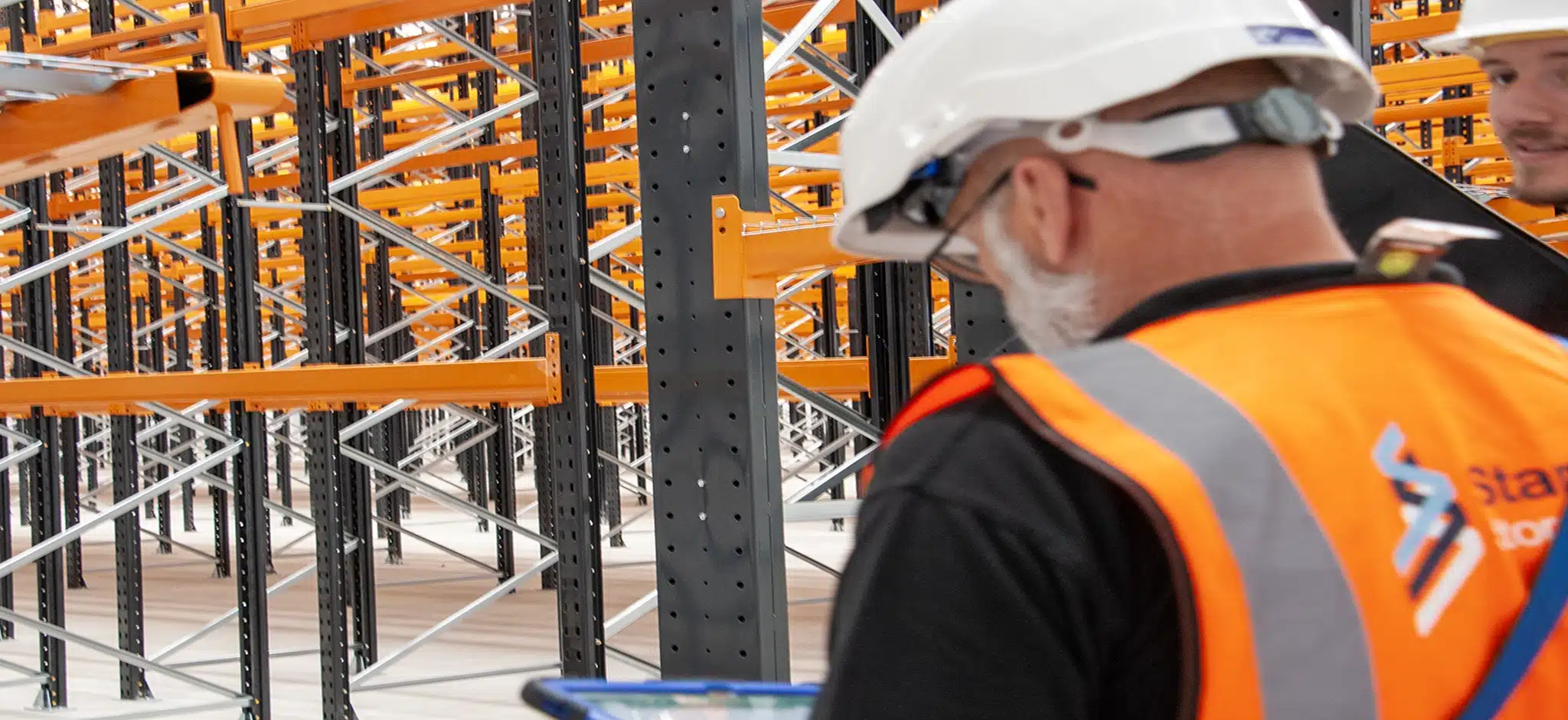
The team at Stamina can provide free site surveys to assess your warehouse and can identify whether your building can accommodate additional beam levels or higher racking systems safely.
Upgrade your existing pallet racking
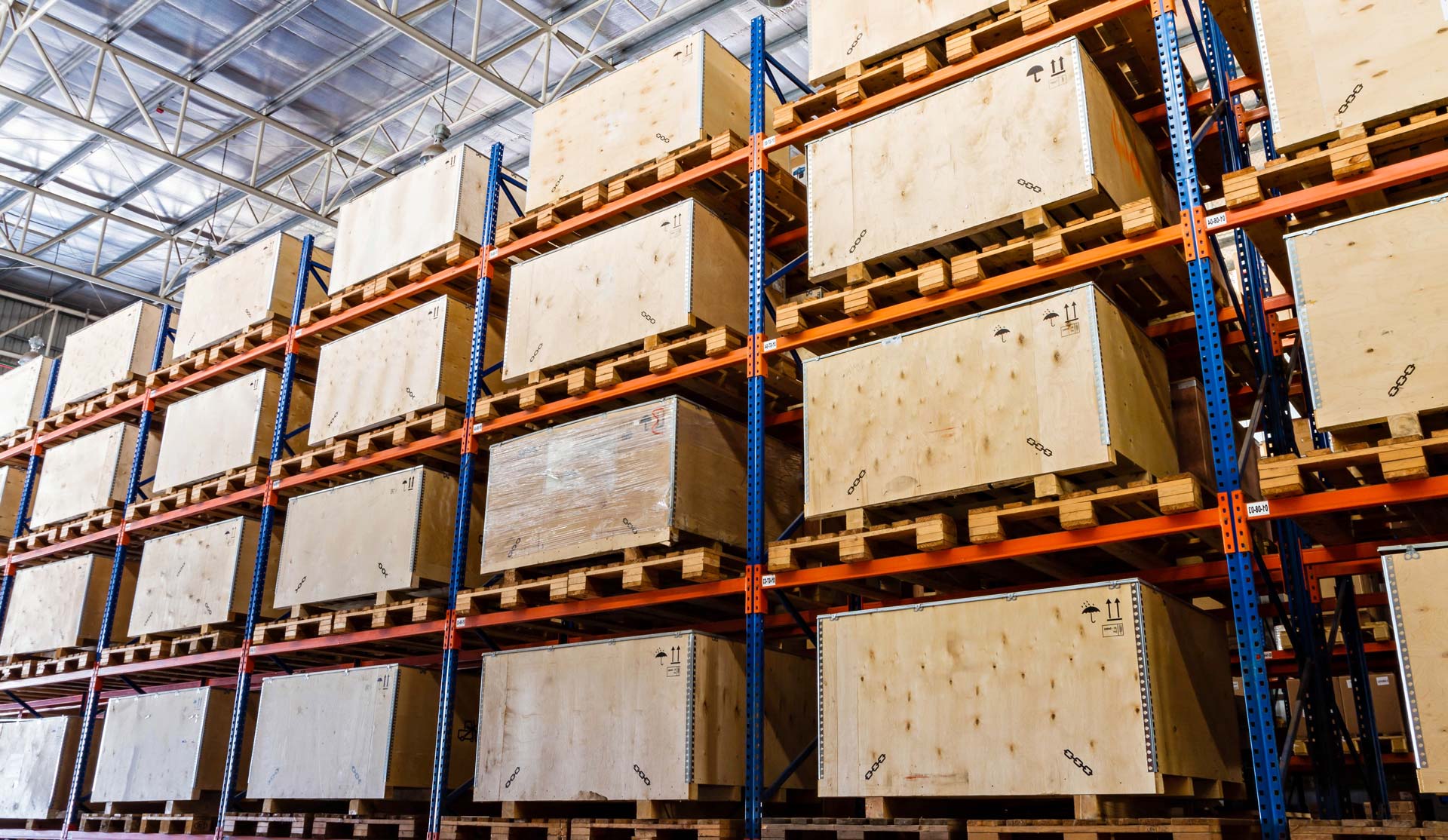
Older pallet racking layouts are not always designed to maximise storage efficiency, whereas modern pallet racking systems can significantly increase pallet positions without expanding the warehouse footprint.
Depending on your operation, storage system options may include:
electing the right pallet racking system is essential for creating an efficient and productive warehouse environment. Different pallet racking solutions are designed to support different storage requirements, inventory types and operational workflows.
- Adjustable pallet racking – Arguably the most commonly used system, offering easy access to every pallet and both flexibility and scalability.
- Drive-in racking – An ideal choice for high-density storage where large quantities of similar products are stored together.
- Push-back racking – Designed to improve space utilisation by storing pallets several deep while still maintaining efficient stock rotation.
- Cantilever racking – Best suited for storing long, bulky or irregular-sized items such as timber, pipes or steel products.
- Shuttle racking – Uses automated shuttle systems to maximise storage density and improve efficiency in high-volume operations.
- Mobile racking – Eliminates the need for multiple access aisles by mounting racking systems on mobile bases, increasing storage capacity within limited spaces.
- Narrow aisle racking – Reduces aisle widths to create additional storage space while maintaining direct pallet access with specialised handling equipment.
Reconfigure your warehouse racking layout
Many businesses are continually adding new products to meet customer demand. While this can drive revenue growth, it also creates storage challenges, resulting in inefficient use of space.
A warehouse audit from companies like Stamina can use data analysis and decades of experience to identify:
- Excessive aisle widths
- Poor product placement
- Underutilised storage zones
- Inefficient picking routes
Changes to you layout can improve both storage capacity and operational efficiency.
Questions to consider include:
- Are fast-moving products located close to dispatch areas?
- Are aisle widths appropriate for current handling equipment?
- Is valuable floor space being used for non-storage activities?
Even minor adjustments can deliver substantial gains.
Install a mezzanine floor
If your warehouse has significant unused headroom, a mezzanine floor can effectively create additional floor space within the existing warehouse building.
In a 3PL, that added level is often best used for light storage, pick modules, supplies, offices, or value-added services rather than heavy reserve pallets. A mezzanine works best when the problem is not just lack of room, but poor use of vertical space. It can separate functions that compete on the main floor and reduce congestion around core shipping lanes.
Good mezzanine planning asks practical questions:
- What activity belongs above the floor and what must stay at dock level?
- Will staff, carts, and replenishment move safely and efficiently?
- Does the second level improve flow or just move congestion upward?
Improve inventory management
Storage plan that works today may not work six months from now. New clients arrive. Existing clients add SKUs. Order profiles shift from bulk replenishment to each-pick fulfillment. A once-slow account may suddenly need more forward pick space than reserve storage. Therefore reviewing stock management processes can help identify:
- Obsolete stock
- Slow-moving inventory
- Duplicate stock holdings
- Excess safety stock
By removing unnecessary inventory, businesses can free up valuable pallet locations and improve warehouse efficiency.
Create dedicated storage zones
The storage system is important, but warehouse layout ultimately determines how efficiently that equipment performs. In many warehouses, some of the biggest improvements in capacity and productivity come from better zoning and workflow design rather than investing in additional storage.
Clearly defined areas for receiving, put-away, reserve storage, forward picking, packing, returns processing, and dispatch staging help create a smooth flow of goods throughout the facility. Without a structured layout, fast-moving inventory can become mixed with slower-moving stock, leading to congestion, longer travel distances, reduced picking efficiency, and wasted storage space.
By optimising warehouse zones and aligning them with operational processes, 3PL providers can improve throughput, maximise available storage capacity, and enhance overall warehouse performance.
Conduct regular rack inspections
Damaged or poorly maintained pallet racking doesn’t just create safety risks, it can also reduce the amount of usable storage space within your warehouse. Even minor damage to uprights, beams, or bracing can result in pallet locations being taken out of service until repairs are completed, limiting storage capacity and disrupting operations.
Regular pallet racking inspections help identify damage before it becomes a serious problem, ensuring that storage systems remain safe, compliant, and fully operational. They can also highlight issues caused by forklift impacts, overloading, or general wear and tear that may otherwise go unnoticed during day-to-day warehouse activities.
Key benefits of regular racking inspections include:
- Identifying damaged or compromised components early
- Maintaining compliance with health and safety regulations
- Maximising the number of usable pallet locations
- Reducing the risk of costly repairs or accidents
- Extending the lifespan of pallet racking systems
- Supporting efficient warehouse operations
For 3PL warehouses, where storage availability directly impacts customer service and revenue, maintaining racking in good condition is particularly important. A safe and well-maintained pallet racking system ensures every pallet position can be used effectively, helping businesses maximise storage capacity while protecting staff, stock, and equipment.
How much additional capacity can be gained?
| Taller pallet racking | 15-30% |
| Layout optimisation | 10-25% |
| High-density racking | 20-50% |
| Mezzanine installation | 50-100%+ |
| Inventory optimisation | 5-20% |
Increase capacity before considering relocation
Relocating a warehouse is a major undertaking, often involving significant costs, operational disruption, and long project timelines.
Before you move premises, it’s worth assessing whether your existing facility could accommodate more stock through improved storage systems and warehouse optimisation. By upgrading pallet racking, making better use of vertical space, improving layouts, and reviewing inventory management practices, many warehouses can unlock substantial additional capacity while remaining in their current location.
At Stamina Storage Systems, our experts provide specialist pallet racking design services that are tailored to the operational needs of businesses across a wide range of industries. Whether you are operating a small warehouse, large national distribution centre or high-volume, global logistics facility, our experienced team is on hand to develop practical storage upgrades that can improve efficiency, maximise capacity, enhance scalability and support long-term growth.
We are happy to assist with complex layouts, limited floor space and the most demanding storage requirements, helping businesses optimise available space without compromising on workplace safety or general accessibility. Our turnkey process supports you from the initial planning stages right through to final installation guidance. We make sure to work closely with warehouse managers to create customised pallet racking systems that support current operations while allowing flexibility for future business demands and expansion.