Shuttle Racking Tips For High Turnover Warehouses
Pallets coming in, pallets going out, forklifts waiting for space, and aisles that feel tighter every month – if your warehouse never really slows down, you’ll know this feeling well.
High turnover warehouses don’t struggle because people aren’t working hard. They struggle because traditional racking layouts weren’t designed for constant motion.
That’s where shuttle racking earns its place. We’ll share practical, experience-led tips on using shuttle racking to keep fast-moving operations flowing – even when demand won’t let up.
What “High Turnover” Really Means in Warehousing
High turnover isn’t about how many pallets you store – it’s about how often you touch them.
In real terms, it means the same pallet lanes being loaded and unloaded multiple times per shift. Every extra metre of forklift travel adds friction. Every pause compounds any delays.
This pressure shows itself in:
- Layouts become congested
- Safety risks increasing
- Labour costs creeping up quietly
This is everyday reality in sectors like FMCG, food and beverage, and cold storage, where speed matters more than static capacity.
When throughput becomes the real constraint, that’s where shuttle systems start to make sense.
Why Shuttle Racking Excels in Fast-Moving Operations
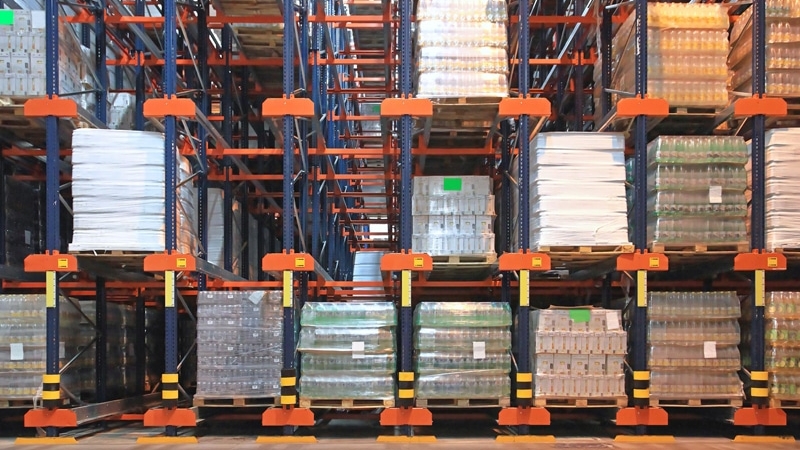
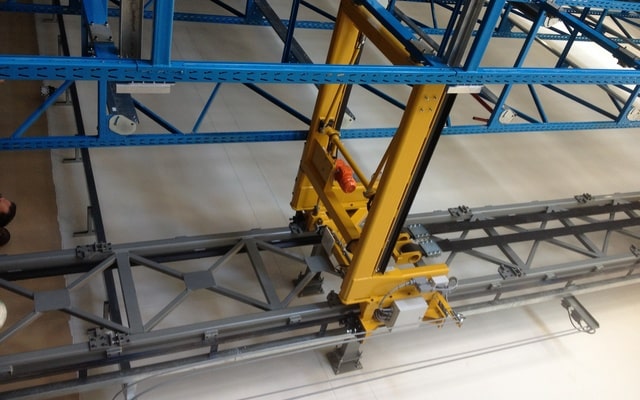
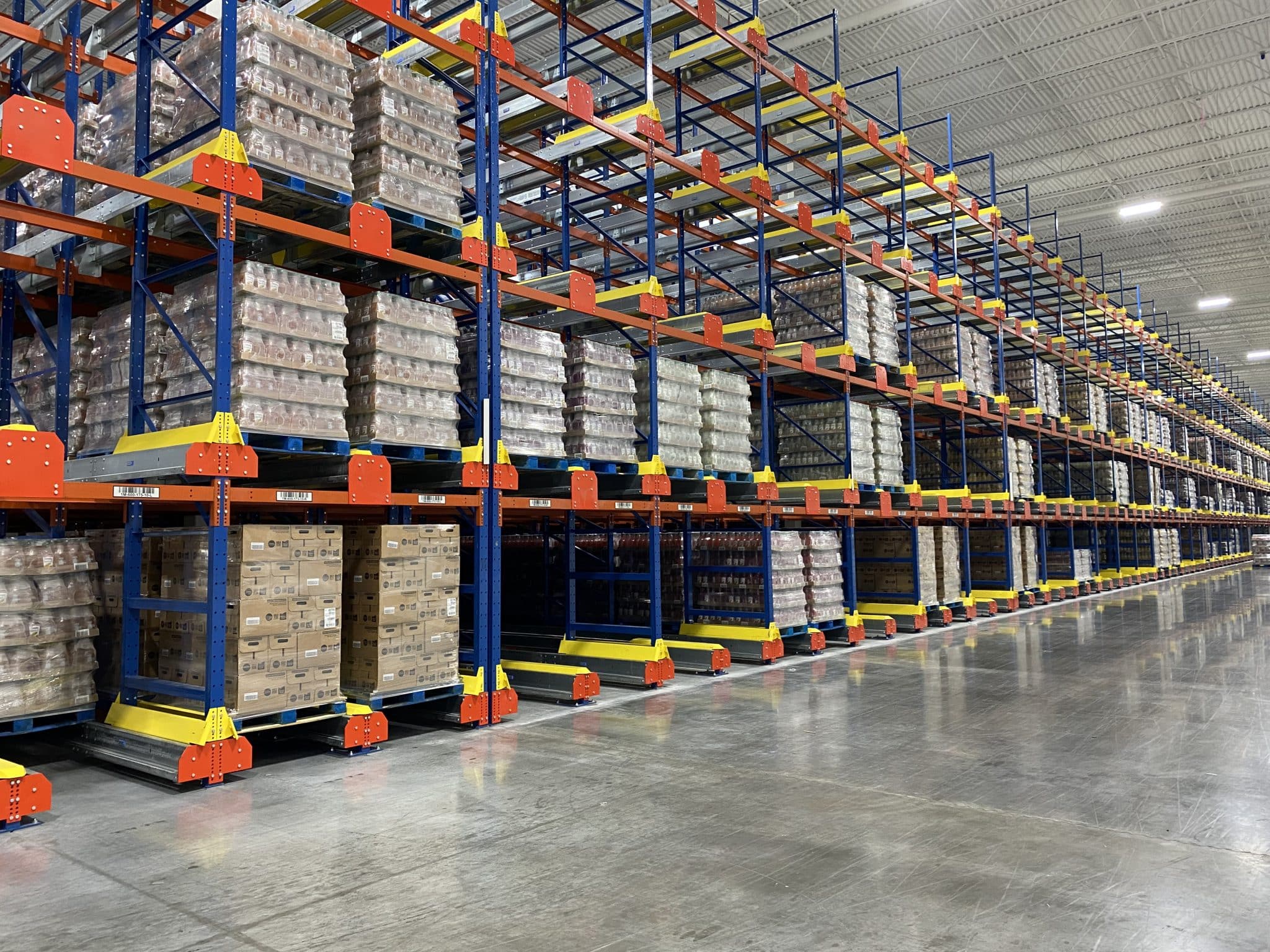
So, how does shuttle racking work? Instead of forklifts driving deep into lanes, a motorised shuttle handles pallet movement inside the racking. Forklifts stay at the front so routes stay short, and handling becomes predictable.
What this changes on the warehouse floor:
- Less forklift travel per movement
- Fewer stop-start delays during peak shifts
- Consistent retrieval speeds, even under pressure
Shuttle systems can be semi-automated or fully integrated with your WMS. Both reduce any wasted movement.
At Stamina Storage, we’ve seen well-designed shuttle systems increase throughput by up to 40% in the right high turnover environments – not by rushing people, but by removing inefficiency.
Designing a Shuttle Racking Layout for Throughput
This is where many systems fall down. Not because of the shuttle itself, but because of the layout around it being inefficient.
Key design decisions that directly affect throughput:
- Lane depth matched to real SKU volumes, not best-case assumptions
- FIFO or LIFO flow designed around how stock actually moves
- Shuttle speed and battery capacity suited to operating hours and environment
- Staging and transfer zones sized properly to prevent lane-front congestion
If pallets are stacking up at the lane front, you haven’t improved throughput – you’ve just moved the bottleneck. Good design removes friction before automation ever comes into play.
Best Practices for Managing High Turnover Systems
High turnover shuttle systems work best when they’re treated as part of the operation – not a bolt-on.
Start With The Basics
Keep shuttle batteries charged and rotate units so downtime doesn’t land at peak periods.
Control Traffic, Don’t React To It
Schedule replenishment windows to avoid inbound and outbound movements clashing in the same aisles.
Train For The Moments That Matter
Operators should know shuttle recovery procedures. It’s rarely needed – but when it is, it matters.
Use Data, Not Guesswork
WMS visibility helps monitor lane occupancy and spot pressure points early.
Plan For Peaks, Not Averages
Seasonal surges need buffer lanes or overflow capacity designed in from day one.
Protect The System
Regular rack inspections maintain alignment, safety, and long-term ROI – not to mention assuring ongoing compliance.
Measuring ROI: Throughput, Labour, and Space Utilisation
Look at the right metrics:
- Pallets moved per hour, per operator
- Reduction in forklift travel distance
- Fewer damaged pallets in tight lanes
- Improved cube utilisation across the warehouse
Operators using shuttle systems often report 25–40% faster pallet turnaround per shift, simply because wasted handling is removed.
That’s space ROI, labour ROI, and throughput ROI working together.
How to Avoid Common Pitfalls
Shuttle racking isn’t the answer to every problem.
Over-automating low-SKU or unpredictable operations can reduce flexibility. Poor battery management causes delays. And layouts that don’t match real workflows can shift congestion rather than remove it.
That’s why expert planning is crucial.
At Stamina Storage, we prevent these issues through:
- Honest suitability assessments
- Throughput modelling based on real data
- Operator training and handover
- Ongoing maintenance and support
Why Work with Stamina Storage Systems?
We’re a UK-based, engineering-led racking specialist with deep experience in high-volume environments.
Our SEMA and SIERS accredited teams design shuttle systems around how your warehouse actually runs – not how a brochure says it should.
From tailored layouts to WMS-ready integration, our focus is simple: Systems that perform when demand is at its highest.

Speak to a Shuttle Racking Expert Today
If your warehouse is running flat-out and space is tightening, it may be time to rethink how pallets move.
Our design team can model what shuttle racking would mean for your throughput, labour, and space – using your real layout and data.

Is Shuttle Racking Worth the Investment? ROI & Cost-Benefit Breakdown
You’ve probably heard the hype about shuttle racking – faster pallet movements, fewer forklifts, and all that talk about “automation.” But when you’re staring down another large investment, it’s natural to ask yourself: “does it really pay off?” Let Stamina cut through the buzzwords and run the numbers like people who actually manage warehouses do.
The Basics Of Shuttle Racking
Shuttle racking is basically a smart storage system where a motorised shuttle moves pallets deep into the racking lanes. Instead of a forklift driver threading their way into every aisle, the shuttle does the heavy lifting, saving time and freeing up space.
It’s a halfway point between fully automated systems and traditional drive-in racking – the sweet spot for companies that want efficiency without building a fully robotic warehouse.
You’ll often hear it called radio shuttle, pallet shuttle, or semi-automated storage. Whatever the label, the principle’s the same: denser storage, faster access, and fewer moving parts on the warehouse floor.
Where the Real Savings Start Showing
Let’s get practical. Shuttle systems tend to cost more upfront than standard adjustable pallet racking – no surprises there. But they flip the ROI equation by cutting ongoing operational costs.
Higher density = less space needed
A shuttle system can bump up storage density by 30–50%. If you’re paying rent by the square metre, that density translates directly to savings.
Fewer forklift movements = lower labour and energy bills
Every shuttle run replaces multiple forklift trips. Less traffic means fewer operators, reduced maintenance, and smaller fuel or battery bills.
Faster throughput = higher revenue potential
When pallets move quicker, you can process more orders in the same shift. Now, if your operation runs 24/7, or deals with repetitive SKU movements, the payback can be surprisingly quick – often two to four years, depending on scale and utilisation.
The Cost Conversation
Yes, shuttle racking systems can sting at the start. You’re looking at a setup that combines precision steelwork, electronics, and software – so it’s not as cheap as metal and bolts. But it’s also far from a sunk cost.
Think of it this way: a forklift fleet depreciates, needs servicing, and loses value every year. A shuttle system, on the other hand, keeps earning back its cost through productivity gains. It’s like comparing a short-term hire car to a fuel-efficient truck you’ll run for a decade.
And while the initial investment might seem big on paper, the long term data usually falls in favour of shuttle racking. Lower insurance premiums (fewer forklift incidents), better stock rotation control, and fewer damaged pallets all add up quietly in the background.
When Shuttle Racking Doesn’t Make Sense
Not every warehouse is ready for automation. If your stock rotation is random or your product mix changes weekly, shuttle racking might not justify itself yet. It shines in environments where:
- SKUs are relatively stable and repetitive
- Pallet turnover is high
- FIFO or LIFO systems are consistent
- Space constraints make traditional racking inefficient
If you’re running a low-volume or high-variation setup, you might find that drive-in or push-back racking gives better short-term flexibility.
ROI in Real Life
Let’s imagine a 5,000-pallet warehouse. Converting to shuttle racking could increase capacity by around 40%. That means fitting 7,000 pallets into the same footprint (or shrinking your building size for the same output).
Over five years, that might mean:
- £50,000 – £100,000 saved in space costs
- £25,000 – £40,000 in reduced forklift maintenance and fuel
- £20,000+ in labour efficiency gains
Suddenly, that upfront spend doesn’t look quite so painful. Even conservative projections put ROI around the three-year mark – and could be even faster if you’re expanding or leasing new space.
Intangibles You Can’t Always Measure
ROI isn’t just about money on paper. There’s something to be said for the intangible wins: safer aisles, quieter operations etc. Forklift congestion is one of the biggest sources of near-miss reports in warehousing, and shuttle systems quietly erase half those risks.
You’ll also find morale improves when staff aren’t battling congestion or hunting for free aisles. Fewer errors, fewer frustrations. This is the stuff that doesn’t show up on a balance sheet, but you feel it in the general atmosphere.
Maintenance, Reliability, and the “What If It Breaks?” Question
Good question. Shuttle systems are more sophisticated than traditional racking, so there is some added maintenance. Mainly battery swaps, firmware updates, and periodic inspections.
But unlike a fully automated ASRS system, a shuttle setup still lets you use forklifts if something goes wrong. It’s automation with a safety net. That hybrid nature is exactly why so many medium-sized businesses opt for it because it’s not all or nothing.
What About Resale or Expansion?
Shuttle racking is modular. You can start small and add lanes or extra shuttles as your operation scales. And because it’s steel and electronics (not concrete and rails), it retains resale value far better than traditional static systems.
If you ever move sites, most of the system moves with you. That’s an underappreciated benefit, especially for businesses on shorter leases or growing fast.
Is Shuttle Racking Worth It For You?
If you’ve got the throughput, the stock profile, and the forward planning – absolutely. You reclaim space, trim costs, and future-proof your warehouse without leaning fully into automation.
For operations where every minute of handling counts, shuttle racking stops being an expense and becomes a real asset.
Still unsure? Our design team at Stamina Storage Systems runs ROI models based on your actual numbers – not generic calculators. If you’d like to see what shuttle racking could save your operation over five years, we’ll crunch the data and show you.

How Does Shuttle Racking Work? Step-by-Step Explanation
Shuttle racking is a form of automated pallet racking designed to boost storage density, reduce forklift travel, and increase throughput.
In this article, we’ll explain how these systems function, and show how our team at Stamina Storage Systems delivers it in practice – whilst also offering actionable advice on integration, layout design, and how to avoid common pitfalls.
What Is Shuttle Racking?
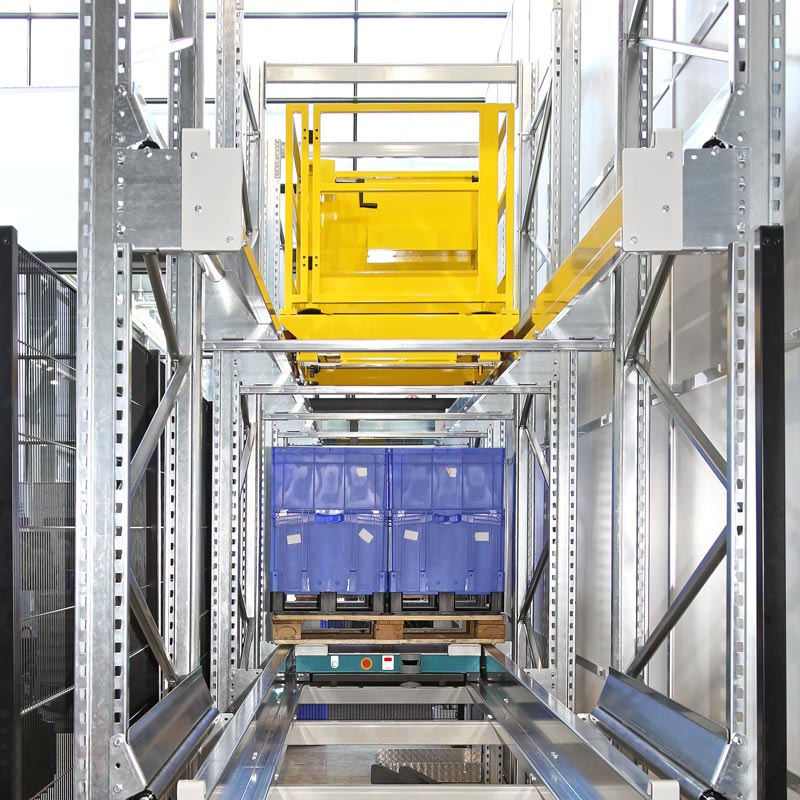
Shuttle racking (also called radio shuttle) is a high-density storage system where a motorised shuttle carries pallets into deep storage lanes – replacing the need for forklifts to enter the rack.
Key points:
- The forklift delivers the pallet to the front of the lane, and then the shuttle moves it into its deeper position.
- The shuttle is battery-powered and runs on rails within the racking structure.
- The system can be semi-automated (remote-controlled) or fully automated (WMS integrated).
- Ideal for operations storing many pallets per SKU or with repetitive, high-throughput movements.
In short: it maximises space, improves efficiency, and reduces forklift travel.
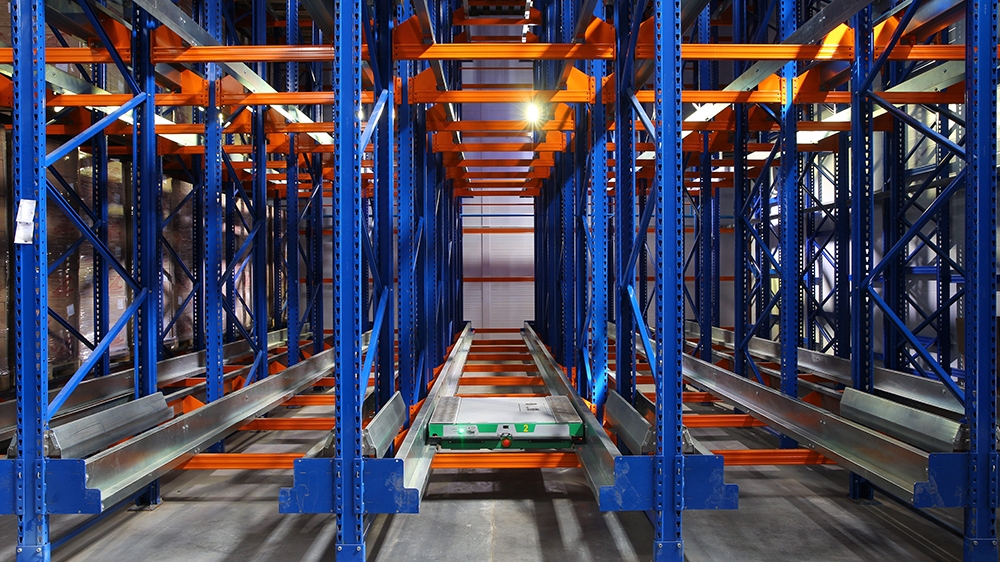
How Does Shuttle Racking Work?
1. System Components
- Rack structure: Uprights and beams form deep storage lanes.
- Rails: Guide and support the shuttle vehicle within each lane.
- Shuttle: Motorised carrier that transports pallets.
- Control system: Remote, tablet or WMS interface to direct movement.
- Entry points: Forklifts place and retrieve pallets from the front of each lane.
2. Loading Process
- A forklift places a pallet at the front of a lane.
- The shuttle picks up the pallet and transports it to the next free location.
- It deposits the pallet, returns to the front, and waits for the next command.
3. Unloading Process
- When retrieval is needed, the shuttle collects the pallet and returns it to the lane front for the forklift to collect.
- Systems can operate FIFO (first-in, first-out) or LIFO (last-in, first-out) depending on layout.
4. Automation & Integration
Advanced systems link directly with warehouse management software (WMS) to manage inventory locations.
Types of Shuttle Racking Systems
| Type | Description | Ideal Use |
| Semi-Automated Shuttle | Shuttle moves forwards/backwards in one lane. Forklift handles entry/exit. | High volumes, few SKUs. |
| Fully Automated / 4-Way Shuttle | Shuttle moves in multiple directions with lift integration. | Large-scale automated warehouses. |
| Mother-Child (AS/RS) System | “Mother” vehicle transports smaller “child” shuttles across levels. | Mega-distribution and cold-store facilities. |
Benefits of Shuttle Racking
-
Maximise Storage Density
-
Faster Throughput
-
Improved Safety
-
Suitable for Specialist Applications
Is Shuttle Racking Right for You?
Before investing, consider these key factors:
Warehouse Profile
- Many pallets per SKU is ideal.
- Mixed SKUs with low volumes each are better suited to push-back racking.
Operational Environment
- High-throughput or seasonal storage.
- Temperature-controlled warehouses.
Budget & Automation Goals
- Semi-automated systems are a lower-cost entry point.
- Full integration with WMS or AS/RS automation offers long-term ROI.
Common Mistakes to Avoid
Skipping WMS integration
Can cause data mismatches and inefficiency.
Incorrect SKU profiling
Shuttle systems work best with high-volume SKUs.
Underestimating maintenance
Shuttle racking needs proactive battery and rail checks.
Poor floor tolerances
Accurate levelling ensures good shuttle performance.
No expansion planning
Ensure you design your layout for future scalability.
Our engineering team includes all these considerations during initial site surveys and system design.
How to Get Started
1. Request a Free Site Survey
2. Receive Your Design Proposal
3. Install & Optimise
At Stamina Storage Systems, we provide more than racking - we deliver engineered storage solutions that grow with your business.
Get in touch today to find out how we can help you design a system that suits your storage needs - our UK-wide team handles everything to SEMA standards.
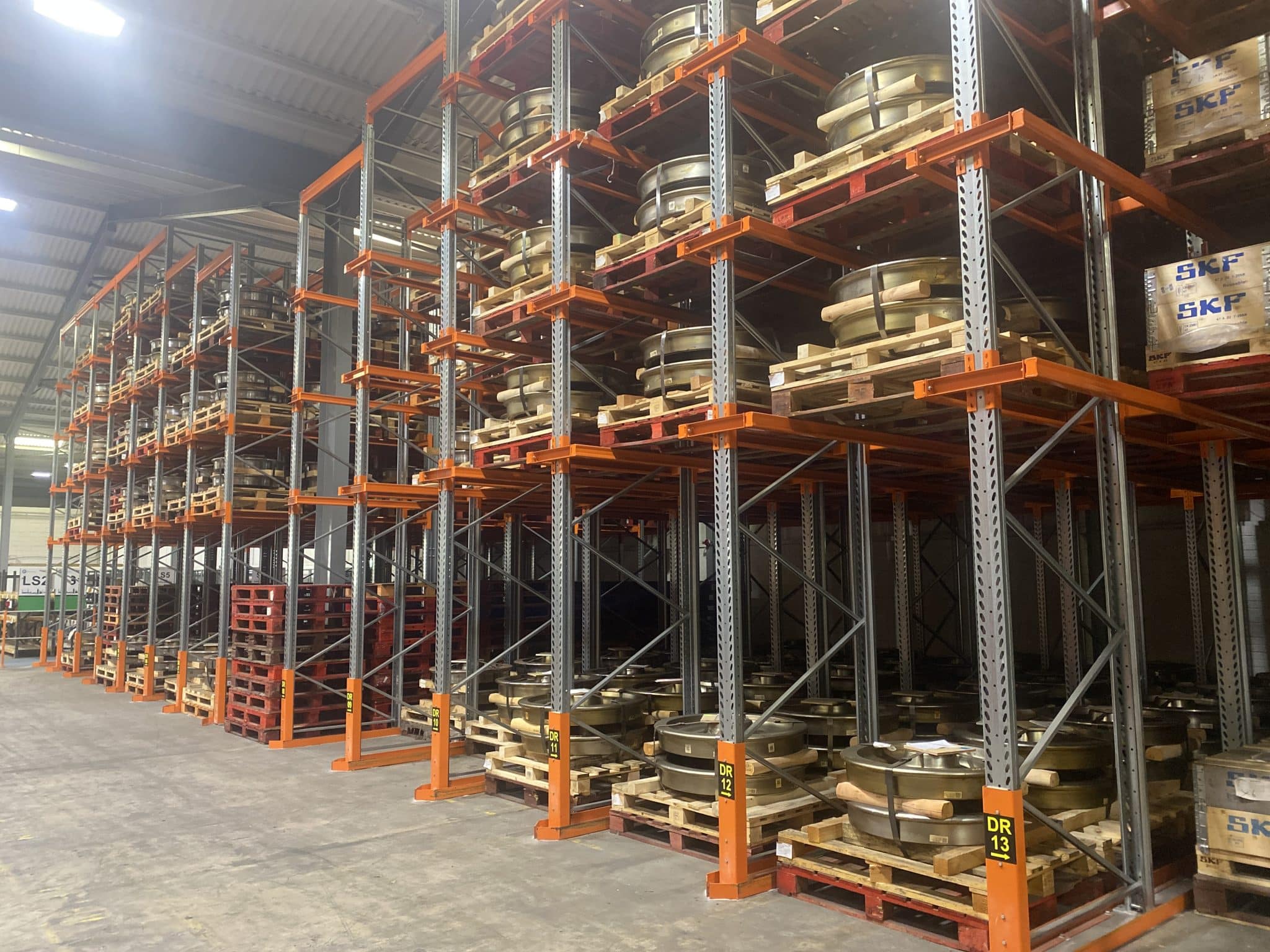
Drive In Pallet Racking: Guide for Warehouse Managers
In this guide, we’ve given all the information you’ll need to decide if drive-in pallet racking could be the right system for your warehouse.
Drive in pallet racking offers a high-density storage solution designed to maximise warehouse space while maintaining efficient access to palletized goods. We find this system particularly valuable for operations looking to optimize their storage capacity without sacrificing functionality.
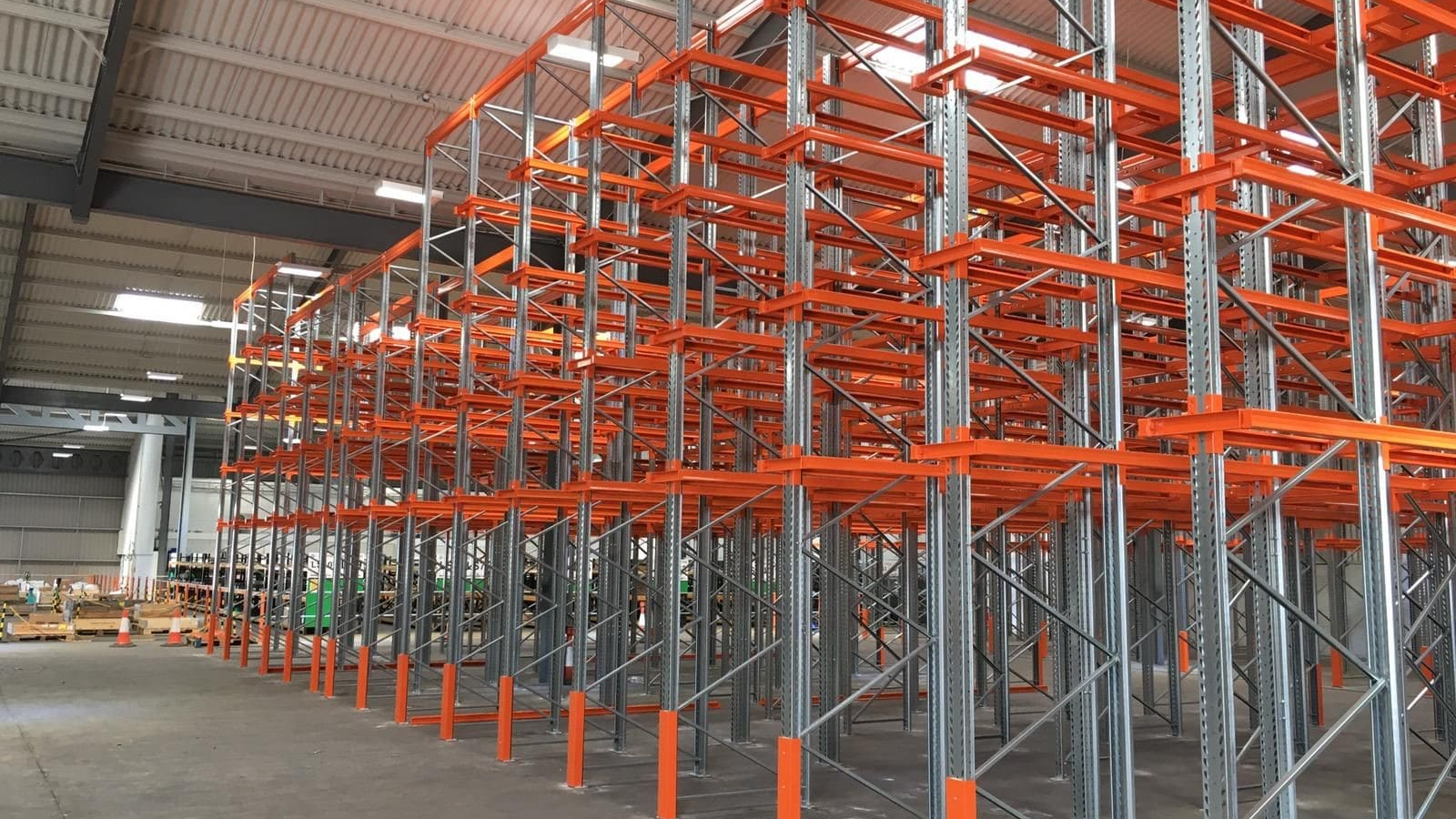
By eliminating the need for individual aisles between each row of pallets, drive-in racking significantly increases storage density compared to traditional systems . This makes drive-in pallet racking systems especially well-suited for storing large quantities of similar items with minimal SKU variety . Additionally, drive in pallet racking prices often represent good value when you consider that these systems typically require fewer components than other storage solutions .
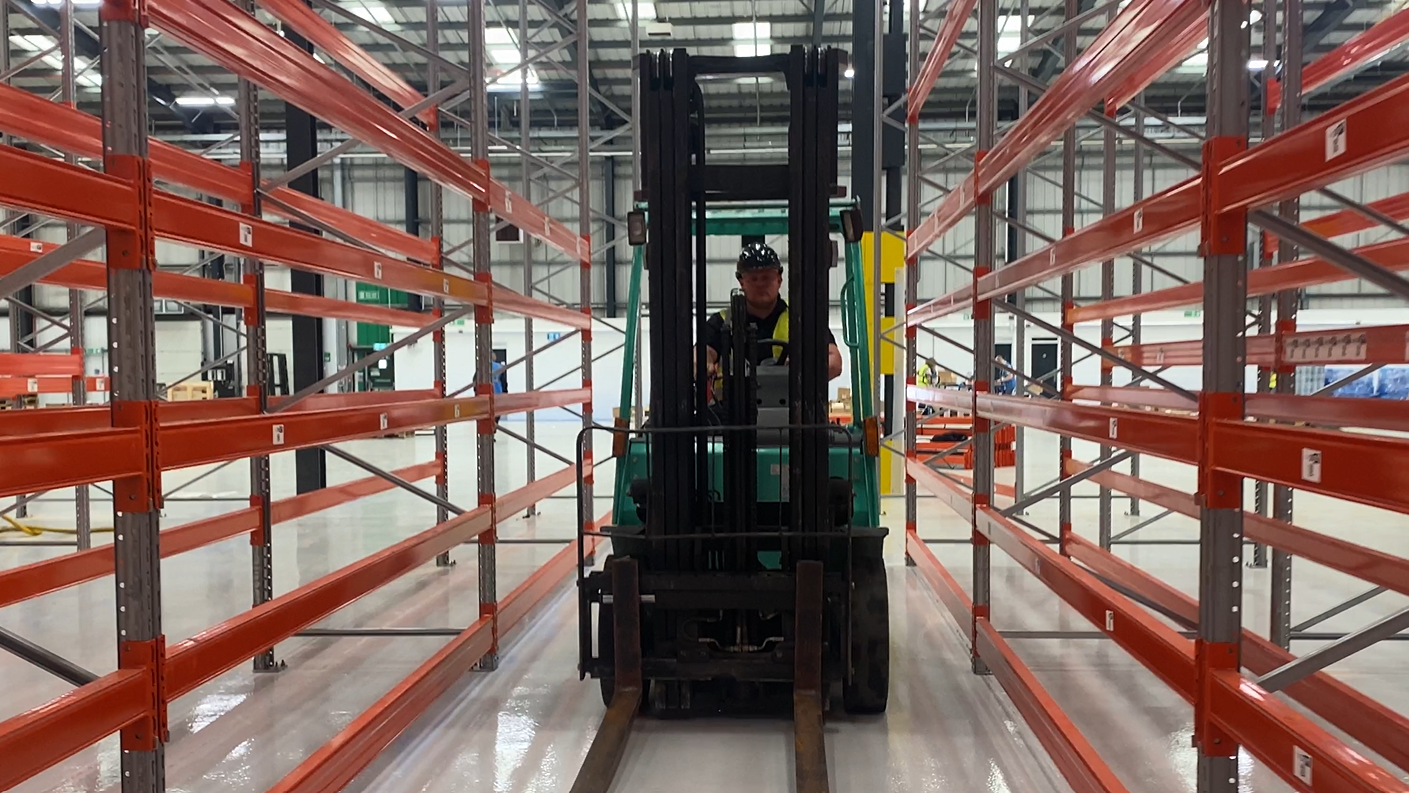
What makes drive-in racking particularly effective is how it allows forklifts to drive directly into storage bays, streamlining both loading and unloading processes . This design also provides excellent flexibility—we’ve seen how drive-in racking can be easily expanded or modified as inventory levels or storage requirements change .
In this comprehensive guide, we’ll explore the key factors to consider when choosing drive-in pallet racking, compare it with other storage systems, examine ideal use cases, discuss safety considerations, and provide insights into costs and scalability to help you make the best decision for your warehouse needs.
Key factors to consider before choosing drive-in racking
Selecting the right drive in pallet racking requires careful evaluation of several critical factors. Before investing in this high-density storage solution, warehouse managers must assess specific operational requirements to ensure optimal performance and return on investment.
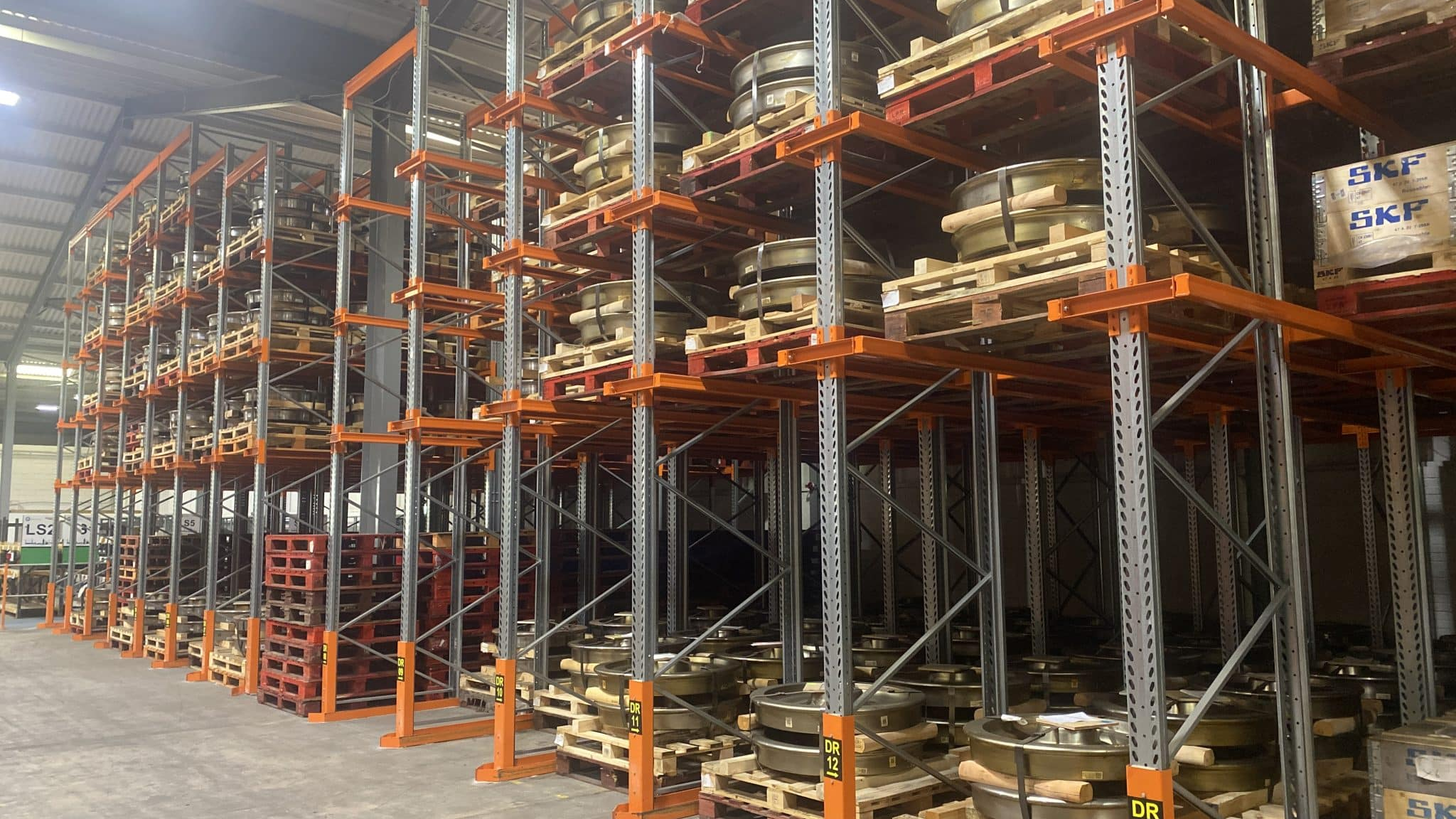
Warehouse layout and height
The physical characteristics of your facility play a fundamental role in determining drive-in racking suitability. Drive-in racks function best in warehouses that are large and tall, with ceiling heights typically ranging from 10 to 20 feet. This system enables deep stacking of pallets up to 10-12 pallets deep and 7 pallets high making effective use of vertical space.
For maximum efficiency, drive-in racking generally occupies 4 feet in width and 3-8 feet in depth. Furthermore, this storage solution can increase storage capacity by up to 80% compared to standard racking systems. Consequently, warehouses with limited floor space or located in areas with high real estate costs benefit substantially from this space optimisation
The height of each storage level within your drive-in system must be carefully calculated based on pallet height and the construction method used. Moreover, ceiling clearance must accommodate proper ventilation, lighting, and fire suppression systems while maximising vertical storage.
Pallet type size
Pallet specifications directly impact drive-in racking design and functionality. Standard pallet dimensions (48 inches long by 40 inches wide) determine the spacing between rack components. The system must be engineered to ensure pallets fit securely without causing structural damage.
Typically, drive-in racks accommodate pallets that are 6 feet high with weight capacities around 4,000 pounds. Nevertheless, the integrity of your pallets is crucial, damaged or ill-fitting pallets can slide, fall, or crack once loaded into the system. Essentially, using consistent pallet sizes throughout your operation helps maintain system integrity and safety.
SKU variety and stock turnover
Drive-in pallet racking performs optimally with specific inventory profiles. This system is primarily designed for warehouses handling low SKU diversity but high volumes per SKU. Ideally, your operation should store homogeneous products with numerous pallets per product line.
Given that drive-in racking operates on a Last-In, First-Out (LIFO) principle, it proves most effective for non-perishable merchandise or inventory with extended shelf life. Additionally, businesses that deal with seasonal inventory or bulk storage requirements find this system particularly advantageous.
Before implementation, evaluate your current warehouse operations by asking: What types of products are you storing? How frequently do these items need access? Is your inventory suited for LIFO management?
Forklift and aisle width
The relationship between your forklifts and drive-in racking system is critically important since this is the only dynamic rack system requiring forklifts to enter between the uprights. Key considerations include:
- Forklift width must match rack openings with adequate side-to-side clearance to prevent collisions with uprights or rails
- Only counterbalanced forklifts should be used, never straddle trucks, stackers with wide outriggers, or any vehicle wider than the openings
- The forklift’s overhead cabin guard height must clear the first elevated pallet rail
- Base plates anchoring the rack columns must accommodate forklift wheel spacing
Since forklifts must enter with loads elevated to the highest position, operator skill requirements are higher than with standard racking systems. Furthermore, adequate clearances (minimum 75mm between each side of the forklift and vertical elements) must be calculated to ensure safe operation.
Counterbalanced forklifts typically don’t exceed 7.5m in height, while reach trucks can surpass 11m – a crucial factor when determining maximum rack height for your facility.
Drive-in racking Vs Other racking systems
Understanding how drive in pallet racking stacks up against other pallet racking systems helps warehouse managers make informed decisions that align with their specific operational needs. Each system presents unique advantages for different inventory profiles and handling requirements.
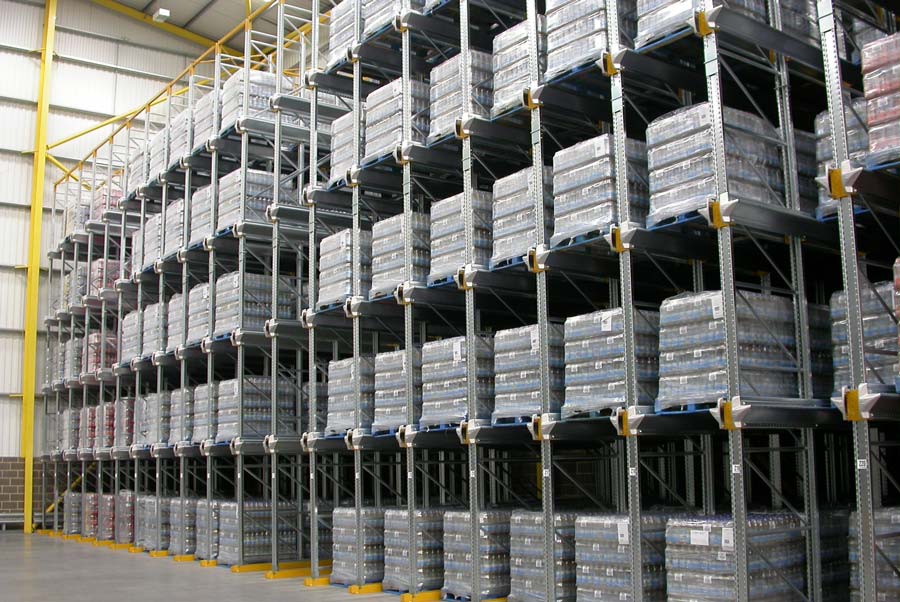
Drive-in Vs Adjustable pallet racking
Drive-in pallet racking significantly outperforms adjustable pallet racking in space optimisation, increasing storage density by 60-75%. This dramatic difference occurs because drive-in systems minimise aisles, allowing forklifts to enter directly into the racking structure rather than requiring access to each individual pallet position.
Despite this space advantage, selective racking offers 100% direct access to every pallet, whereas drive-in systems limit accessibility to front pallets only. This accessibility difference affects inventory management – adjustable pallet racking accommodates both FIFO and LIFO methods while drive-in racking operates exclusively on LIFO principles.
Floor utilisation percentages further highlight this contrast:
- Drive-in racking: 65% floor utilisation
- Adjustable pallet racking: Lower space utilisation but greater accessibility
Adjustable pallet racking proves ideal for operations with high SKU variety and frequent turnover, unlike drive-in systems which excel with homogeneous products stored in bulk.
Drive-in Vs drive-through racking
Although structurally similar, drive-in and drive-through racking differ fundamentally in their operational flow. Drive-in racking features a single access point for both loading and unloading, enforcing LIFO inventory management. Conversely, drive-through racking allows forklift access from both ends, enabling FIFO (First-In, First-Out) inventory management
This distinction makes drive-through racking superior for perishable goods or products with expiration dates, as it ensures proper stock rotation . However, drive-through systems require more space since both ends must remain accessible, whereas drive-in racking can be installed against a wall.
The choice between these systems hinges primarily on inventory characteristics:
- Drive-in: Ideal for non-perishable products with low rotation
- Drive-through: Perfect for food, beverages, or chemicals requiring strict rotation
Drive-in Vs push-back racking
Push-back racking offers a middle ground between selective and drive-in systems. Unlike drive-in racking where forklifts enter the lanes, push-back systems use inclined rails with carts that allow pallets to be “pushed back” when new pallets are added.
Push-back racking provides greater flexibility and improved selectivity compared to drive-in systems. This makes it better suited for warehouses with moderate SKU variety. However, this flexibility comes at a higher price point – push-back systems typically cost more than drive-in racking.
Both systems follow LIFO inventory management, yet push-back racking offers faster pallet retrieval since forklifts don’t need to enter the rack structure. This reduces the risk of rack damage from forklift collisions, a common concern with drive-in systems.
For operations prioritising maximum storage density with minimal SKU variety, drive-in pallet racking remains the more cost-effective solution.
Best use cases for drive-in pallet racking
Drive in pallet racking excels in specific warehouse environments where space optimisation and storage density are primary concerns. Let’s examine the ideal applications where this system delivers maximum value for warehouse managers.
Cold storage and freezer warehouses
Cold storage facilities represent a perfect match for drive in pallet racking systems. Initially, these environments benefit from the reduced air volume that needs cooling, directly lowering energy consumption and operational costs. For refrigerated warehouses storing perishable goods, the compact storage arrangement minimises the energy required for temperature maintenance.
In fact, many food processing plants, meat storage facilities, and pharmaceutical warehouses rely on drive in pallet racking precisely because it creates an energy-efficient storage environment. The system’s ability to maximize space utilisation proves invaluable in these temperature-controlled settings where every cubic foot represents ongoing cooling expenses.
Drive in racking enables food and beverage companies to store bulk quantities of temperature-sensitive items while maintaining proper cold chain integrity. Notably, these systems can accommodate up to 80% more storage compared to conventional racking, making them ideal for frozen food storage where space utilisation directly impacts profitability.
Bulk storage for manufacturing
Manufacturing operations handling raw materials or finished goods in large quantities find drive in pallet racking exceptionally valuable. The system accommodates homogeneous products with low turnover rates, making it ideal for production environments.
Paper producers, metal manufacturers, and automotive parts suppliers commonly implement drive in racking to store bulk quantities efficiently. After all, these industries typically manage large volumes of similar items that don’t require frequent access, aligning perfectly with drive in racking’s LIFO retrieval method.
The ability to store pallets directly behind one another significantly increases storage capacity compared to traditional systems, helping manufacturers optimize warehouse space without acquiring additional floor area.
Seasonal inventory and high density needs
Businesses dealing with seasonal fluctuations in inventory benefit tremendously from drive in pallet racking. At this point, the system’s space efficiency becomes crucial for companies that need temporary storage solutions. The racking system enables:
- Efficient storage of holiday decorations, seasonal clothing, and gardening supplies
- Maximised storage density for items with predictable demand cycles
- Cost-effective space utilisation during off-peak seasons
In reality, warehouses in areas with high logistics real estate costs find drive in pallet racking particularly advantageous. The system allows companies to store 50% more inventory in the same footprint compared to conventional racking solutions
Drive in pallet racking prices often represent excellent value when considering the storage density achieved, primarily because fewer aisles are required compared to selective racking systems. For warehouses needing to optimise limited space while storing large quantities of homogeneous products, drive in racking undeniably offers the most efficient solution available.
Cost and scalability of drive-in pallet racking
Cost considerations play a vital role when evaluating drive in pallet racking systems for warehouse implementation. Understanding both initial expenses and long-term financial benefits helps warehouse managers make sound investment decisions.
While drive-in racking often requires higher initial investment than standard adjustable pallet racking, it delivers superior storage density. Subsequently, this space efficiency justifies the expense, as businesses avoid costly warehouse expansions or additional offsite storage. Our team at Stamina can provide a free data analysis consultation to show the cost saving you can achieve by using drive-in racking.
Scalability and future proofing
The modular design of drive-in pallet racking makes it exceptionally adaptable for expanding businesses. Instead of relocating to larger facilities, companies can add new racks, adjust heights, or reconfigure layouts as needed. This eliminates relocation expenses while maximising existing space.
Drive-in systems can be easily expanded or modified to accommodate changing inventory requirements.This scalability proves crucial for businesses experiencing growth or seasonal fluctuations. Ultimately, by investing in drive-in racking, companies optimise space while keeping overhead costs manageable.
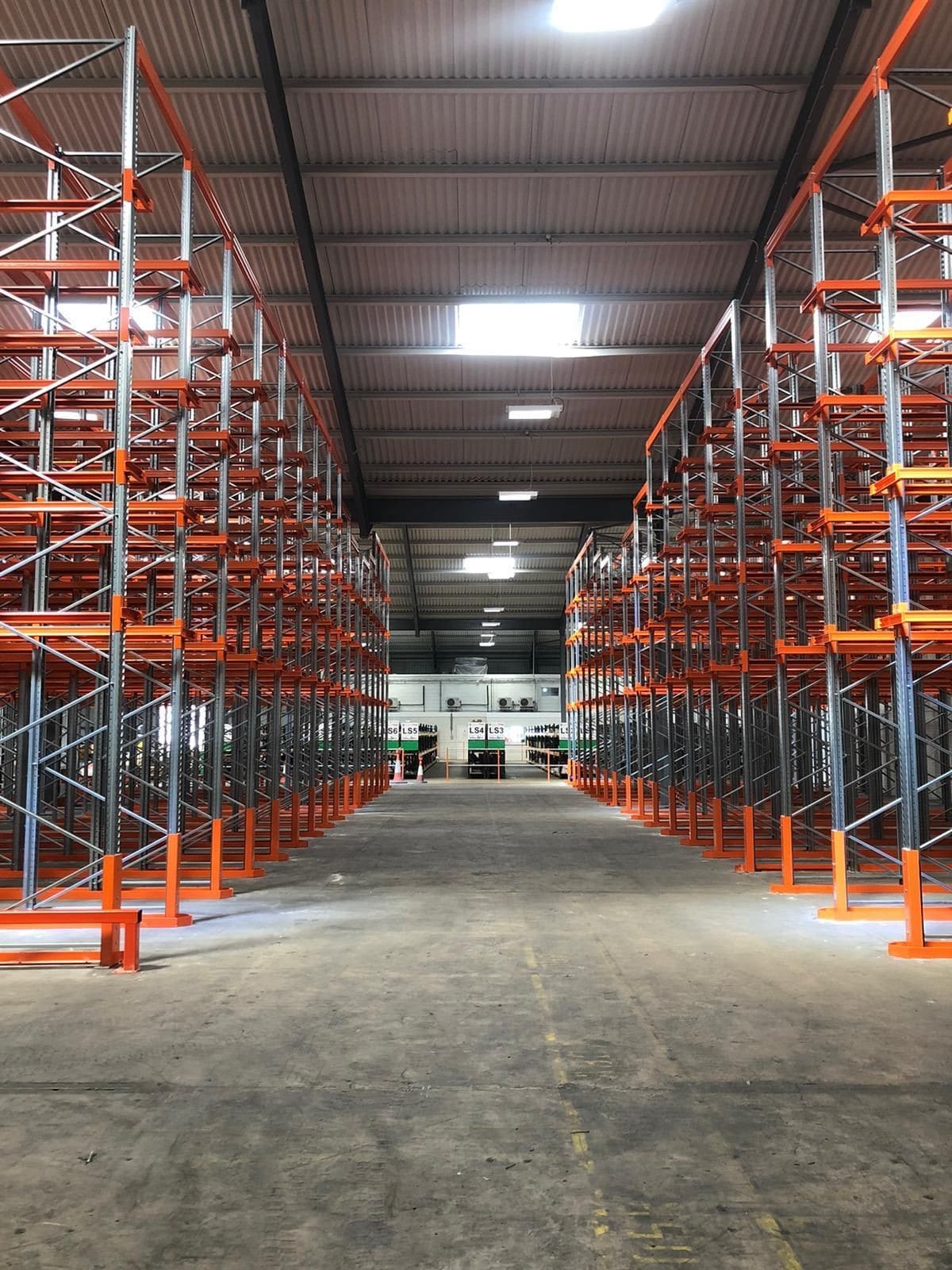
Drive in pallet racking stands as an exceptional storage solution for warehouse managers seeking to maximise space utilisation without sacrificing operational efficiency. Throughout this guide, we have explored the numerous advantages this system offers for specific warehouse environments.
First and foremost, the space optimisation benefits cannot be overstated. Drive-in systems allow for up to 80% more storage compared to traditional racking, making them particularly valuable for facilities with limited floor space or those located in areas with high real estate costs. This density advantage makes drive-in racking especially suitable for cold storage facilities, manufacturing operations handling bulk materials, and businesses managing seasonal inventory fluctuations.
Warehouse managers must carefully evaluate several factors before implementing drive-in racking. Ceiling height, warehouse layout, pallet dimensions, inventory characteristics, and forklift compatibility all play crucial roles in determining system suitability. Additionally, the LIFO (Last-In, First-Out) operational flow makes drive-in racking best suited for non-perishable goods or products with extended shelf life.
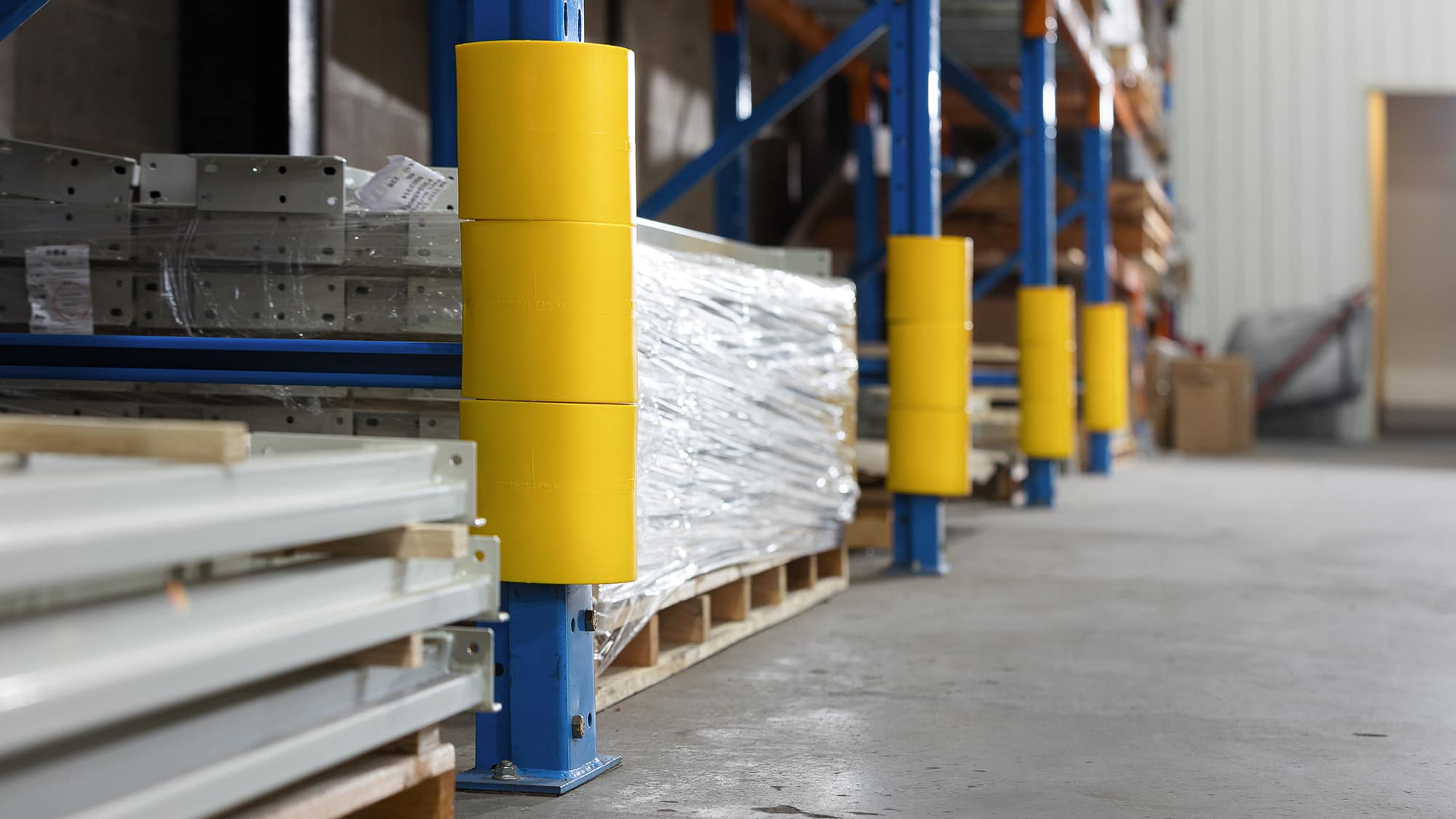
Safety remains paramount when utilizing drive-in systems. Proper load capacity signage, floor guide rails, column guards, routine inspections, and specialized forklift operator training are essential components of a well-maintained system. These precautions protect both personnel and inventory while extending the operational lifespan of your investment.
Cost considerations reveal drive-in racking as one of the most affordable high-density storage solutions available, despite higher initial investment compared to selective racking. The long-term financial benefits often justify this expense through avoided warehouse expansions or additional offsite storage needs. Furthermore, the modular design provides excellent scalability for growing businesses.
We believe drive-in pallet racking delivers exceptional value for warehouse operations storing large quantities of similar products. This system strikes an optimal balance between space utilisation, accessibility, and cost-effectiveness when implemented in appropriate environments. Armed with the insights from this comprehensive guide, warehouse managers can confidently determine whether drive-in pallet racking aligns with their specific operational requirements and storage goals.
Get a quote for Drive-In Racking, or discuss a project
Still have questions? The experts at Stamina Storage Systems are ready to help you design a layout that fits your business goals. Contact us today for a free consultation—and let’s build a safer, smarter, and more profitable warehouse together.
Stamina Storage Solutions have 25 years of experience designing and installing storage solutions for businesses in all sectors.
So, if you need support or advice contact us and we can help you find the right storage solution for your business.

Contract win for 52,000 Pallet Shuttle Racking Installation
Leeds-based Stamina Storage Systems, a leading UK provider of pallet racking and warehouse storage solutions, has secured a shuttle racking contract installation of over 52,000 pallet positions.
The project will combine shuttle racking technology with adjustable pallet racking to optimise both density and operational efficiency. The project scope includes full design, supply, and installation of racking systems tailored to meet strict industry demands for scalability, safety, and performance.
Peter Gobbi, Managing Director at Stamina Storage Systems said. “It’s a strong validation of our technical expertise, our planning capability, and our ability to deliver high performance storage solutions at serious scale. We’re proud to be leading such a significant project.”
The warehouse facility will feature shuttle racking designed to support high throughput operations, allowing for maximum storage capacity and faster, more efficient picking. Stamina’s warehouse design team carried out detailed space planning, operational analysis, and stock movement modelling to ensure the final layout delivers both capacity gains and productivity improvements.
This win underscores Stamina Storage Systems’ growing presence in large-scale, sector-specific installations, particularly in high-demand environments where intelligent layout, rapid throughput, and technical precision are critical.
Stamina Storage Solutions have 25 years of experience designing and installing storage solutions for businesses in all sectors.
So, if you need support or advice contact us and we can help you find the right storage solution for your business.
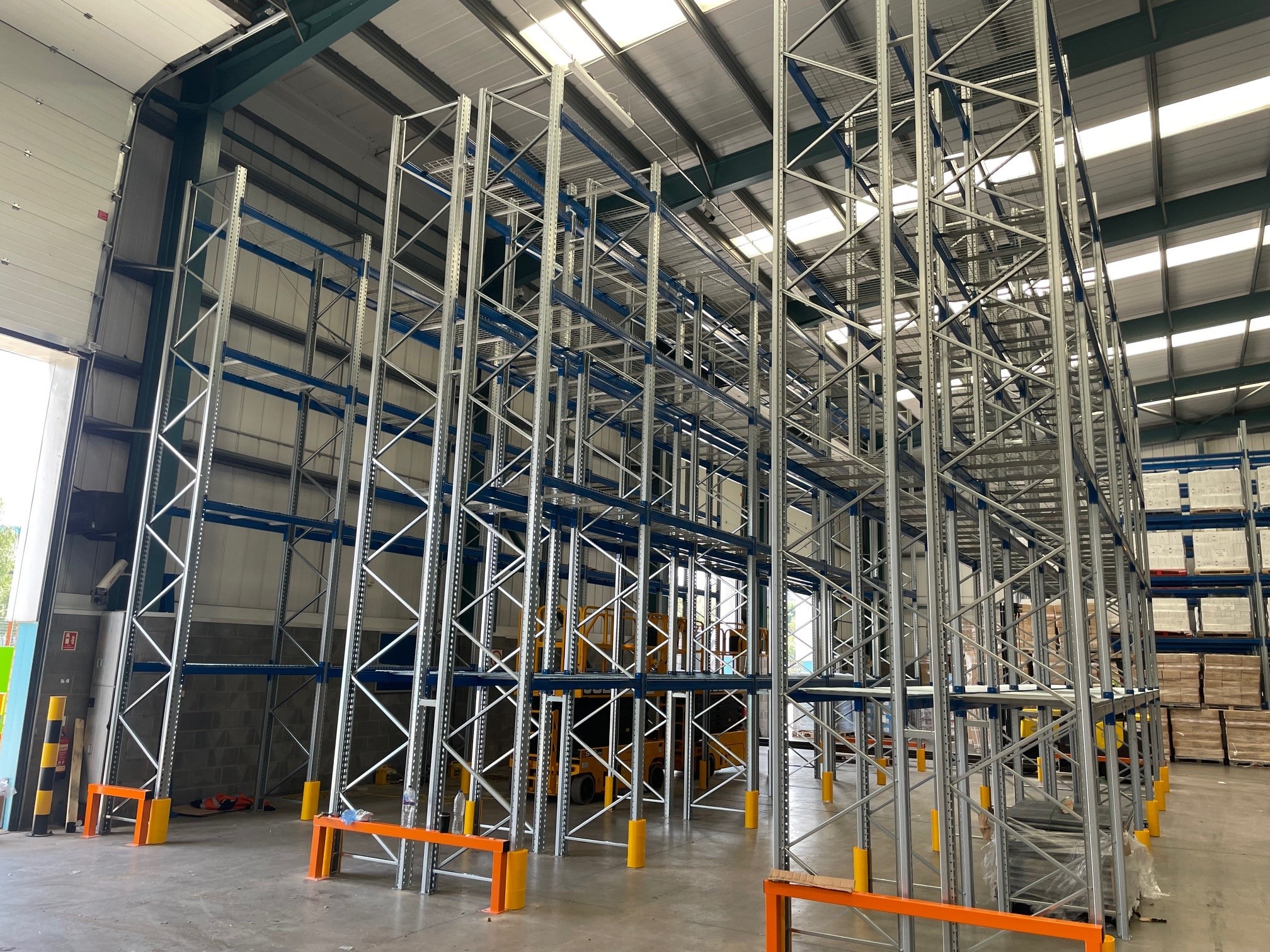
Selling or leasing warehouse space? Don’t forget the racking!
As a commercial property agents, your job is to help clients buy, sell, or lease warehouse properties efficiently. While factors like location, size, and access are top priorities, one critical component is often overlooked: pallet racking systems. Whether your client is a landlord looking to attract tenants or a buyer seeking a turnkey solution, partnering with a pallet racking expert can add value to your deals and help close them faster.
Why pallet racking matters in warehouse leasing or sale deals
Unfortunately, not all business operators know where to start when it comes to finding the correct pallet racking provider, therefore having a relationship with an established Racking supplier who you may refer to your clients in the early stages of their warehouse planning is an invaluable resource. As a leading UK supplier of pallet racking and industrial shelving systems, Stamina Storage Systems works with clients at all stages of planning for their industrial space, however, we find it most beneficial when given the opportunity to consult in the earliest stages of warehouse design and planning. For commercial property agents looking to bring value to their clients, there are many benefits to introducing a company like Stamina at these early stages.
Below, we have outlined five of these important benefits:
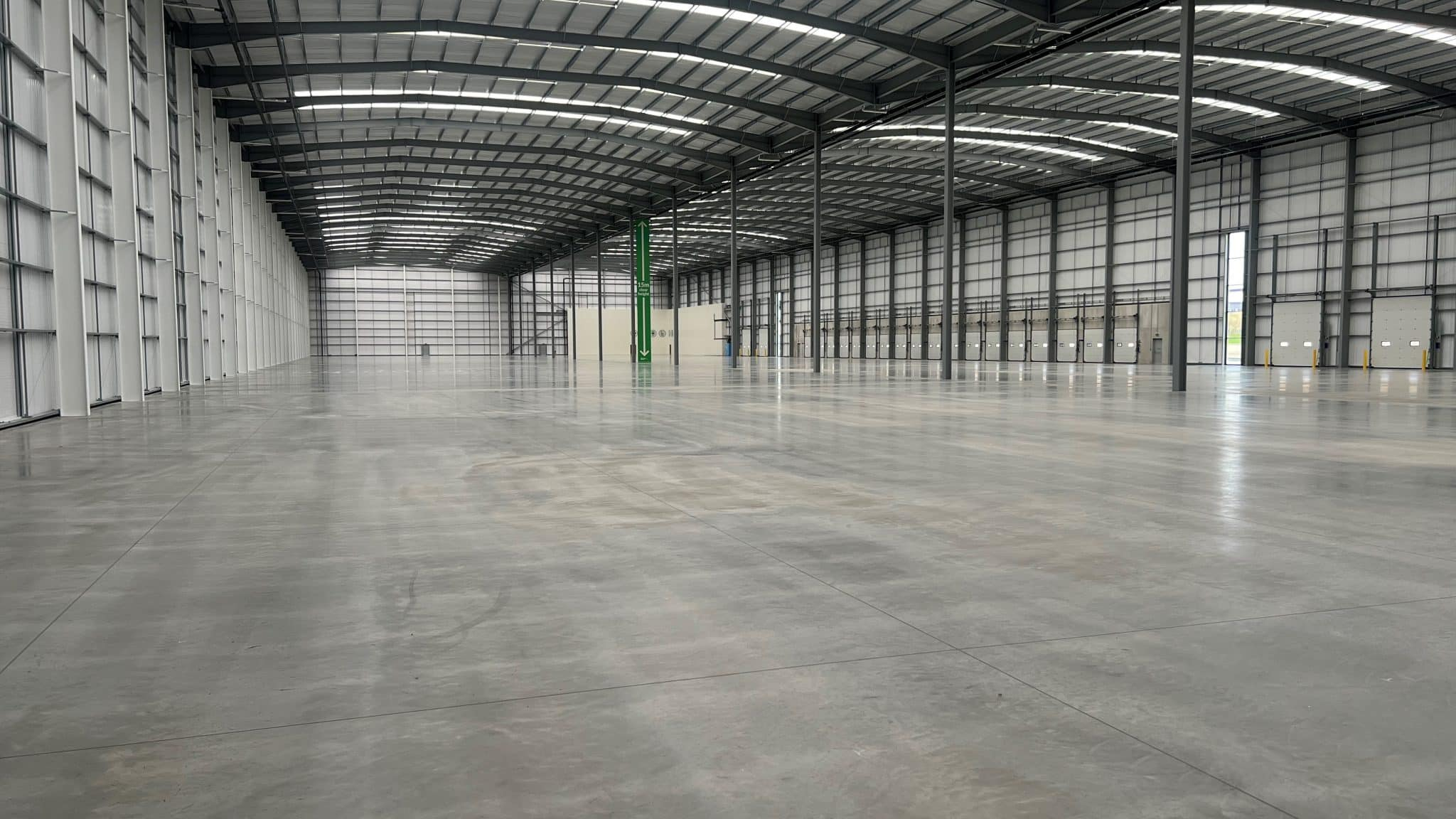
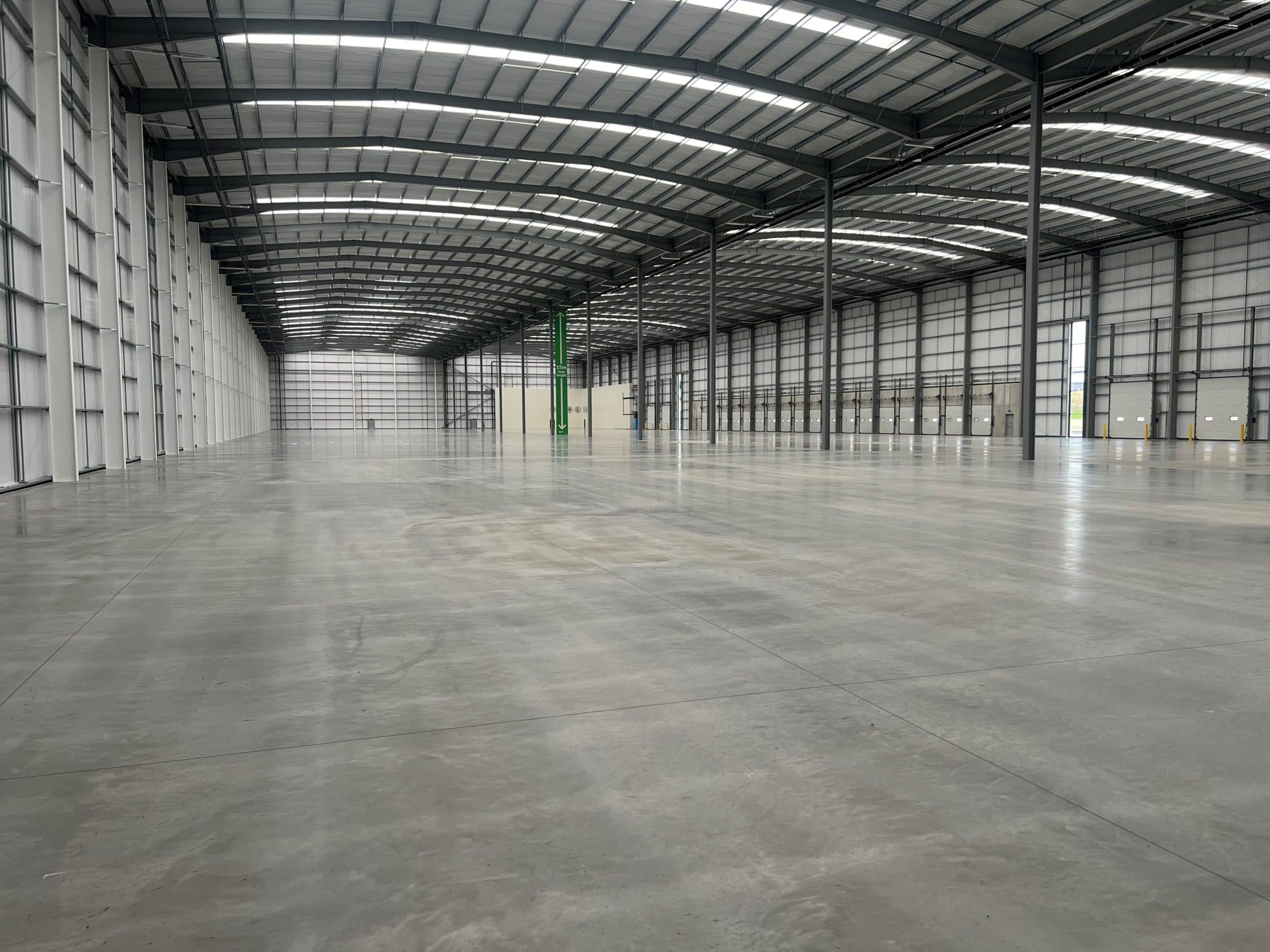
A warehouse without racking is just an empty shell
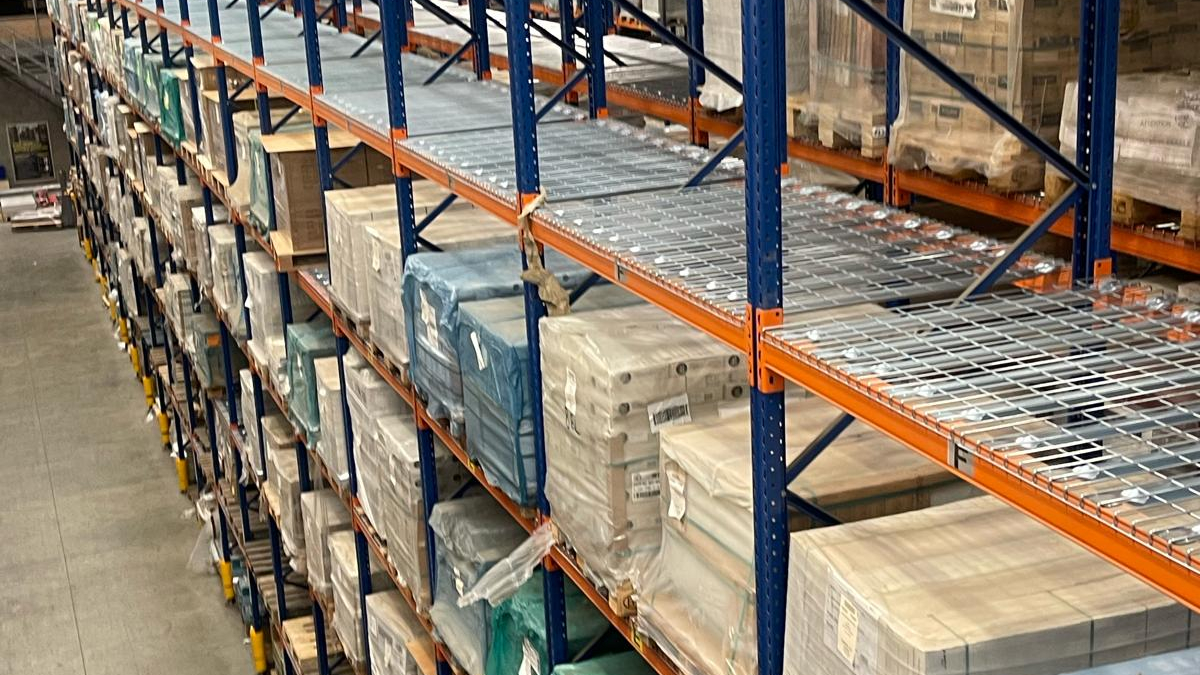
Prospective buyers and tenants don’t just see square footage—they envision operational efficiency. A fully optimised warehouse includes the right storage solutions, and a racking expert can assess, design, and install systems that maximises usable space, allowing you to advertise the pallet spaces available.
Enhancing warehouse value and appeal
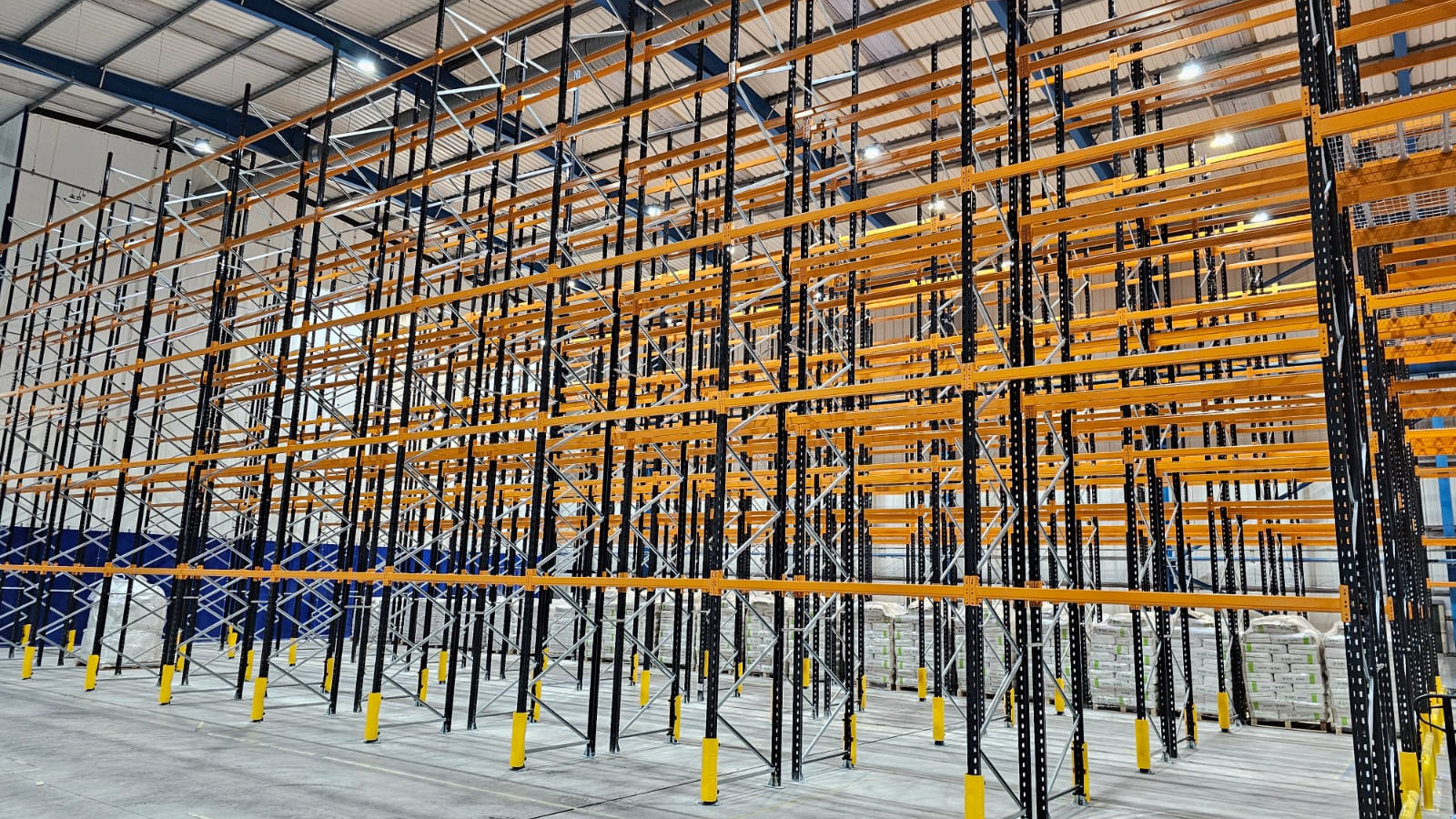
A warehouse pre-equipped with a pallet racking system stands out in the market. It reduces the setup time and capital investment for tenants or buyers, making your listing more attractive.
Tailored pallet racking systems for different industries
Different warehouses have different storage requirements. A pallet racking specialist will design the best racking solution based on many factors, including the dimensions and layout of the facility, material handling equipment being used, the type, weight, quantity and mix of products being stored, and the nature of the business as a whole. For example a food distributor will need high-density storage, while an e-commerce company may prioritise picking locations. A pallet racking specialist ensures the right system is in place, making it easier for you to match properties with ideal tenants.
Compliance and safety
Another reason why commercial property agents should work with a racking specialist is for safety reasons, ensuring their clients are well informed on the safety standards surrounding their industrial storage system. Racking systems must meet strict standards to ensure the safety of warehouse workers and protect against damage to products and materials. Partnering with a reputable racking expert ensures that inspections, permits, and load capacity calculations are taken care of—eliminating liability concerns for your clients.
How commercial property agents benefit from a pallet racking partnership
- Faster Lease-Up – Move-in-ready warehouses are more attractive to tenants.
- Higher Sale Prices – Fully equipped properties command premium pricing.
- Reduced Deal Friction – Addressing racking needs upfront prevents last-minute objections.
- Stronger Client Relationships – Offering value-added solutions sets you apart from competitors.
Stamina Storage System is an end-to-end service provider of warehouse storage that specialises in high performance, customisable pallet racking and shelving solutions. For over 30 years, we have assisted customers and warehouses all over the UK in making lasting improvements to their warehouse facilities by providing the most high performance warehouse racking systems, and seamless project management in the industry.
Looking for a trusted racking expert to partner with?
Contact our nationwide team today at Stamina Storage Systems. If you have the plan of a warehouse you are selling or renting, you can simply email it to [email protected] and request a free 2D CAD warehouse storage plan. Contact us today!
Stamina Storage Solutions have 25 years of experience designing and installing storage solutions for businesses in all sectors.
So, if you need support or advice contact us and we can help you find the right storage solution for your business.
How to Plan Your Warehouse for Efficiency and Growth
Setting up a warehouse can feel overwhelming, especially when it comes to planning storage systems that meet both your current and future needs. A well-designed warehouse not only improves efficiency but also reduces costs and supports scalability. In this blog, we’ll guide you through the essential steps for planning your warehouse storage systems, from choosing the right racking to optimising your workflow.
Why Warehouse Planning Matters
The design of your warehouse storage system can make or break your operations. A well-thought-out plan improves productivity by reducing unnecessary travel time, streamlines picking and packing processes, and helps optimise space usage to save on costs. Additionally, a scalable system ensures you can adapt to growth without needing to redesign your warehouse every few years. Safety also plays a critical role; implementing systems that comply with standards protects both your employees and inventory, reducing risks and liabilities.
Understanding Warehouse Storage Systems
Choosing the right storage system is key to optimising space and efficiency. Pallet racking systems are among the most common options, offering flexibility and scalability. Adjustable Pallet Racking Systems for example, are ideal for warehouses with varied SKUs that need fast access. For higher-density needs, push-back racking works well with LIFO (last-in, first-out) inventory systems, while drive-in racking maximises storage for large quantities of similar products.
If your inventory includes smaller, hand-picked items, long span shelving systems are a better fit. Static shelving works for lightweight goods, while mobile shelving can maximise space by reducing the need for fixed aisles. For warehouses with limited floor space, mezzanine floors provide a cost-effective solution by utilizing vertical space to add extra storage levels.
For long products like timber, pipes, or carpet rolls require unique solutions such as cantilever racking. These systems provide accessible, organised storage for irregular or bulky items. For businesses aiming for maximum efficiency, automated storage and retrieval systems (AS/RS) use robotics to optimise high-density storage and picking processes, improving accuracy and reducing labour costs.
Planning Your Warehouse Layout
An effective warehouse design layout ensures smooth workflows and minimises wasted time. Start by organising your warehouse into key zones: receiving, storage, picking, packing, and dispatch. The receiving area should have sufficient space for unloading and inspecting incoming goods before they move into storage. High-turnover items should be placed in easily accessible areas to speed up the picking process, while slower-moving items can be stored in less convenient zones.
Creating wider aisles in high-activity zones improve access for forklifts and pickers, reducing delays. Additionally, implementing a clear labeling and inventory management system will make it easier for employees to locate and identify products quickly, further boosting efficiency.
Common mistakes to Avoid in Warehouse Planning
Warehouse planning often fails due to overlooked details. One common mistake is ignoring scalability. Your storage systems should adapt to growth rather than limit it. Another issue is underutilising space; many warehouses expand their floorspace unnecessarily instead of maximising vertical storage with taller racking systems or mezzanines. Safety is also critical but frequently neglected. Ensuring your systems meet load limits and safety standards protects both your employees and inventory.
Finally, poor workflow design can create bottlenecks that slow down operations. A disorganised warehouse layout increases travel time and reduces productivity, so carefully plan your zones and pathways to ensure a smooth process from receiving to dispatch.
Create a Warehouse That Works for Your Business
Planning your warehouse storage requires careful consideration of space, inventory needs, and workflows. Whether you opt for pallet racking, heavy-duty long span shelving, or advanced automation, the right system will enhance efficiency, reduce costs, and prepare your business for future growth. By maximising both vertical and floor space and ensuring a logical workflow, you can create a warehouse setup that supports your operational goals.
If you’re ready to take the next step, consider investing in storage systems tailored to your needs. From high-quality pallet racking to safety-compliant solutions, the right setup can make all the difference.
Use this blog to guide your warehouse design process – you can seek advice from the team at Stamina Storage Systems to help with this as they have many years experience in this area and will help you every step of your project.
Key Considerations Before Planning Your Warehouse Storage
Before you decide on storage systems, it’s important to assess your specific warehouse needs. Start by measuring both floor and vertical space, taking aisles and access pathways into account. Many warehouses fail to utilise the space effectively, so consider vertical storage solutions like mezzanines or tall pallet racks to maximise capacity.
Next, evaluate the types of products you handle. The size, weight, and turnover rate of your inventory will dictate the best storage approach. For example, smaller hand-picked items may benefit from shelving systems like a heavy-duty long span, while large or heavy items often require pallet racking systems. Throughput is another crucial factor—high-turnover items need to be easily accessible, while slower-moving inventory can be placed in less accessible areas.
Finally, think long-term. A warehouse setup should be future proofed and accommodate growth for the next three to five years to avoid unnecessary reconfigurations as your business expands.
Manual, Semi-Automated, or Fully Automated Systems?
Choosing between manual, semi-automated, and fully automated storage systems depends on your budget, throughput needs, and long-term goals. Manual systems are cost-effective and simple to implement but are labor-intensive and less efficient for larger operations. Semi-automated systems strike a balance by integrating technology into key areas, improving efficiency without requiring a full overhaul.
Fully automated systems offer the highest levels of efficiency and accuracy, using robotics and advanced technology to streamline operations. While they come with higher upfront costs, the long-term benefits often include reduced labour expenses, faster processing times, and scalability.
Stamina Storage Solutions have 25 years of experience designing and installing storage solutions for businesses in all sectors.
So, if you need support or advice contact us and we can help you find the right storage solution for your business.
BLACK FRIDAY DEALS
Black Friday Deals on Warehouse Storage
This Black Friday, take your warehouse organisation to the next level with our exclusive shelving offers! With durable, high-quality shelving units designed to handle the toughest loads, there’s no better time to upgrade.
Don’t miss out—these deals are only here for a limited time, so act fast and secure the storage solutions your business needs!
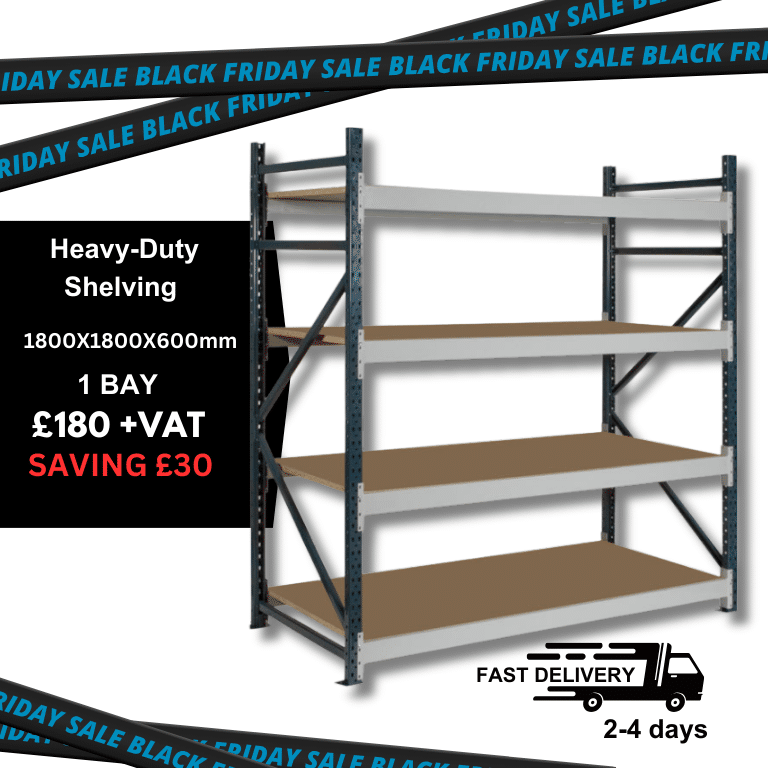
1800mm Heavy Duty Shelving x 1 BAY
£180+VAT
- 1800mmH x 1800mmW x 600mmD
- 325kg per level
- Complete with 4 levels with chipboard (18mm)
- Suitable for; warehouses and commercial use.
- In stock for quick dispatch
- Price excludes delivery.
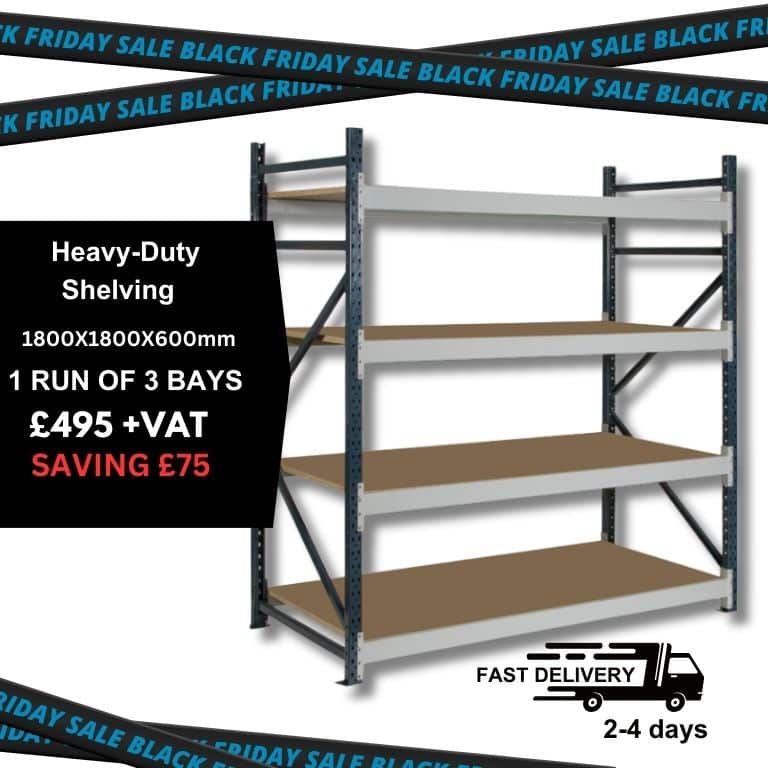
1800mm Heavy Duty Shelving 1 Run x 3 Bays
£495+VAT
- 1800mmH x 1800mmW x 600mmD
- 325kg per level
- Complete with 4 levels with chipboard (18mm)
- Suitable for; warehouses and commercial use.
- In stock for quick dispatch
- Price excludes delivery.
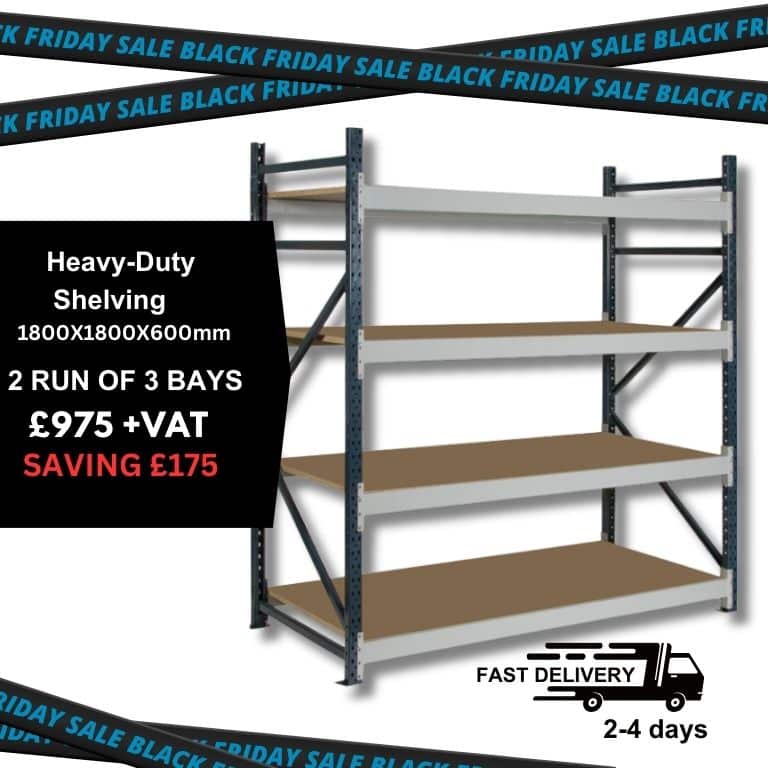
1800mm Heavy Duty Shelving 2 Runs x 3 Bays
£975+VAT
- 1800mmH x 1800mmW x 600mmD
- 325kg per level
- Complete with 4 levels with chipboard (18mm)
- Suitable for; warehouses and commercial use.
- In stock for quick dispatch
- Price excludes delivery.
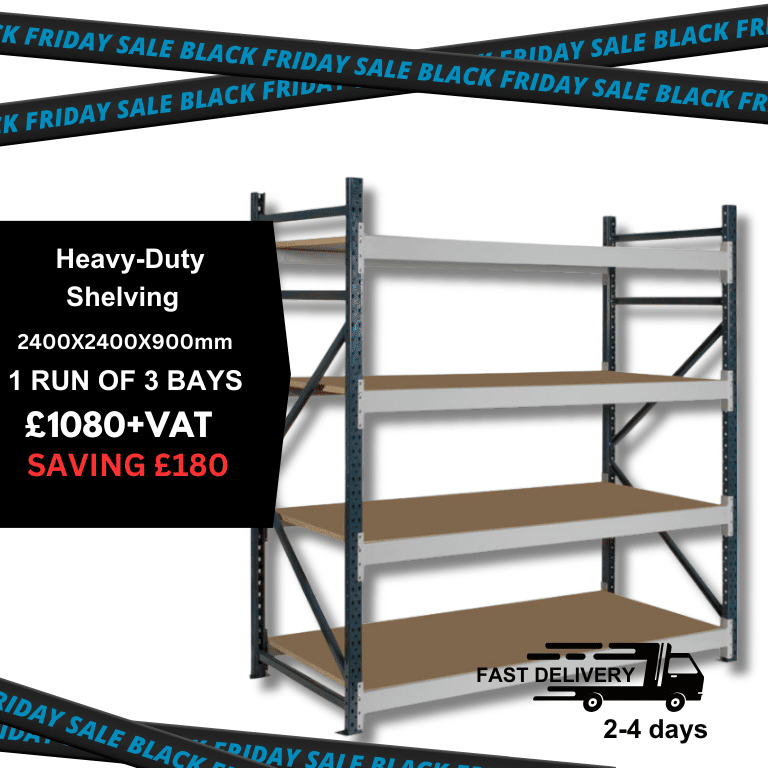
2400mm Heavy Duty Shelving 1 Run x 3 Bays
£1080+VAT
- 2400mmH x 2400mmW x 900mmD
- 500kg per level
- Complete with 4 levels with chipboard (25mm)
- Suitable for; warehouses and commercial use.
- In stock for quick dispatch.
- Excludes delivery
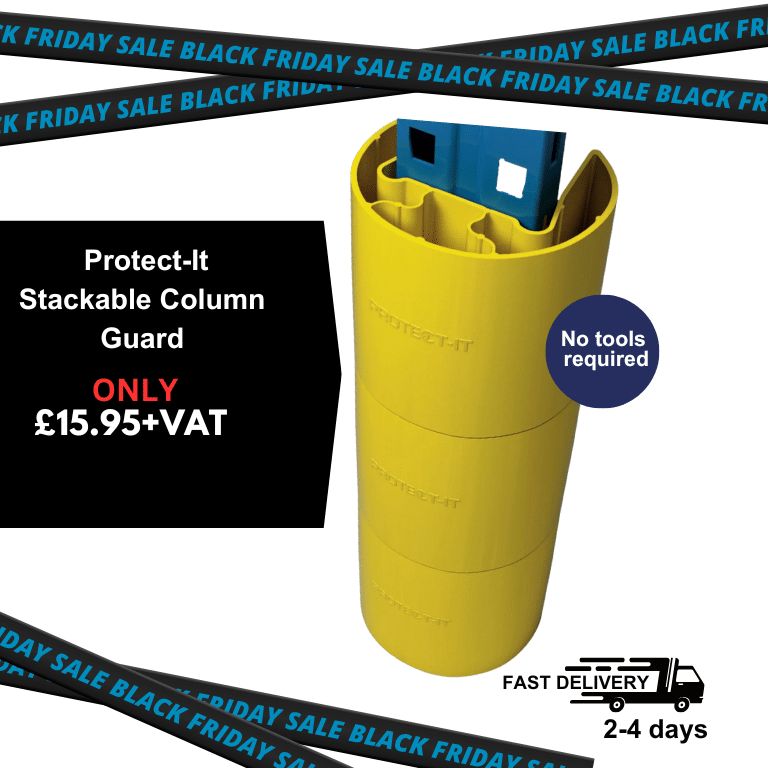
Protect-It Stackable Column Guard
£15.95+VAT
- Overall Height: 400mm
- Fits uprights with widths to 90mm
- Easy to fit – no fixing or tools required
- Easy to remove for rack inspections
- Passes both front/side impact tests to conform to FEM 10.2.02
- Fits most pallet racking makes
Stamina Storage Solutions have 25 years of experience designing and installing storage solutions for businesses in all sectors.
So, if you need support or advice contact us and we can help you find the right storage solution for your business.

Key Questions a Warehouse Manager Should Ask Before Redesigning the Warehouse Layout
As businesses prepare for busy peak periods — whether due to holiday demand, seasonal shifts, or unexpected spikes — one critical component that often gets overlooked is the warehouse itself. A well-designed warehouse layout is crucial for maintaining efficiency, reducing operational costs, and ensuring the safety of workers during these high-demand times.
Unfortunately, too many businesses wait until they’re overwhelmed by orders to evaluate their warehouse design. However, making the decision to redesign the layout of you warehouse isn’t a simple choice, but it’s one that can deliver tremendous value when approached strategically.
As a warehouse manager, it’s crucial to ask the right questions before going ahead with a redesign, so we’re highlighted below some of the top questions you should consider:
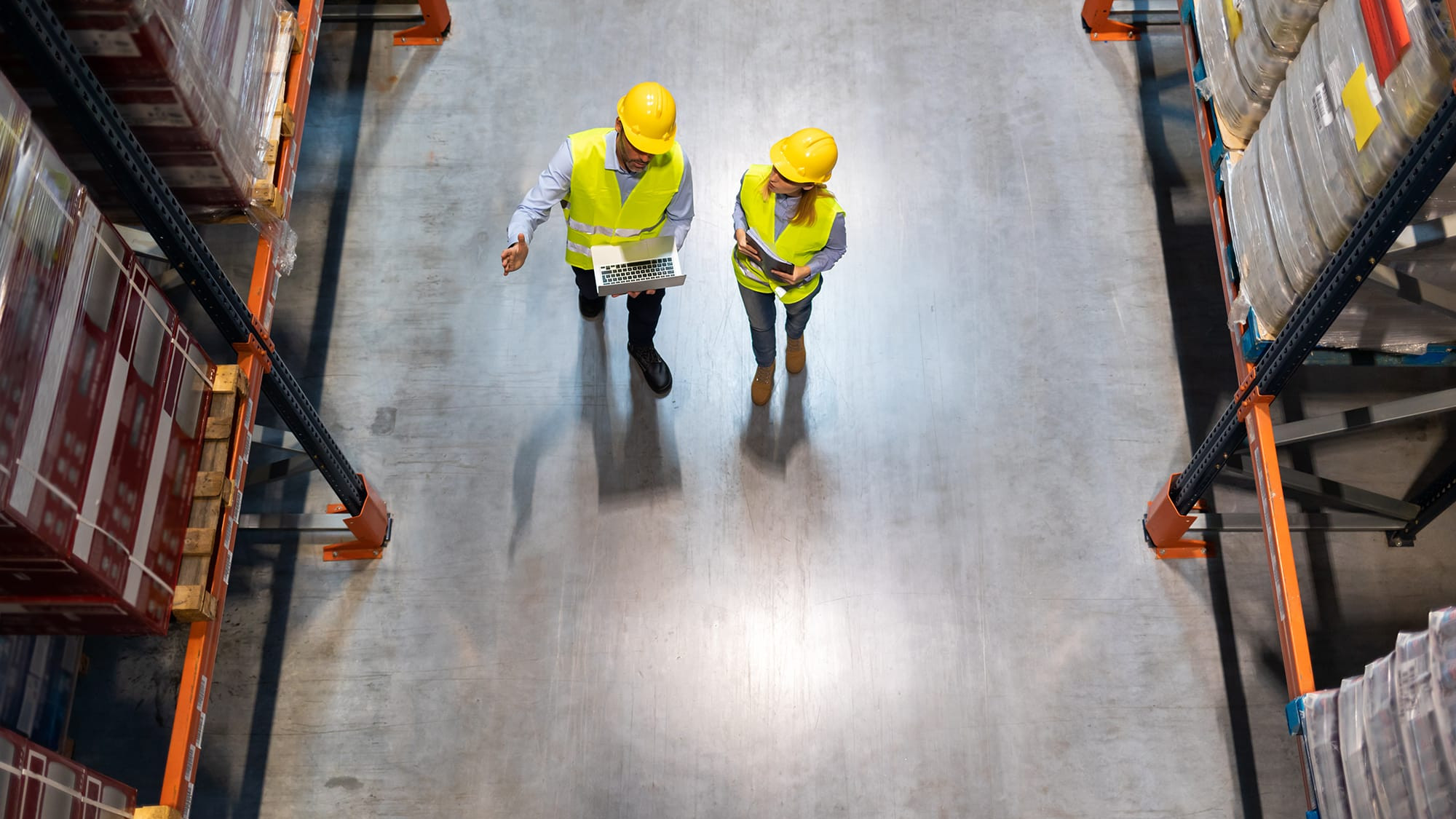
What are our current pain points during peak periods?
Before you approach a warehouse redesign and layout, it’s important to identify the specific challenges you are faced with during peak times. Are there delays in order picking? Are you struggling with limited storage capacity? Do bottlenecks form in certain areas of the warehouse? Understanding these key pain points will help focus your redesign efforts on areas that will have the most immediate impact.
Are we utilising your warehouse space efficiently?
Inefficient use of warehouse space is one of the most common issues we come across when visiting customers warehouses. You need to be asking yourself…Could you increase the vertical space that could accommodate increase the height of the pallet racking? Are you aisles unnecessarily wide, reducing storage capacity? A useful task, is to conduct a space audit to identify opportunities for optimising the layout. Sometimes, simple changes like reconfiguring aisles, increasing the height of the racking, or introducing mezzanines can lead to significant improvements in storage efficiency.
How well is our current layout suited to our product range and order patterns?
If your business inventory needs and order patterns have changed since your last warehouse design was implemented. A redesign of the warehouse gives you the opportunity to reorganise your storage based on product velocity, ensuring that high-demand products are positioned for quick and easy retrieval during peak periods.
Do we have the right pallet racking systems currently?
There are many options and reconfigurations of pallet racking systems available, depending on the type business operation, adjustable pallet racking, drive-in racking, or double-deep racking may be more suitable. Consider how flexible your currant racking system is, and whether it can accommodate growth in inventory or new product lines. You may not need to upgrade your whole system, is could just be a simple solution like adjusting your current racking system. A pallet racking specialist, like Stamina Storage Systems can provide a free site survey to recommend the most suitable and cost effective options.
What technology do we want to integrate?
Warehouse Automation is increasing in popularity, therefore it’s this is an option consider how the technology will be integrated into your warehouse redesign. Are you planning to incorporate a Warehouse Management System (WMS), automated storage and retrieval systems (ASRS), or robotics? Consider these factors to ensure your layout can accommodate these systems to improve efficiency and reduce reliance on manual processes, especially during peak periods.
How does our layout impact employee productivity and safety?
The layout of your warehouse will have a direct impact on how efficiently and safely your employees can work. Are your order pickers able to move quickly between different areas of the warhouse? Are there clear paths for forklifts and foot traffic? Are products organised in a way that minimises heavy lifting or reaching? A redesign can help improve the ergonomic conditions for your employees, reducing accidents and increasing overall productivity during busy times.
Are there seasonal or peak-specific adjustments we should be making?
Depending on the nature of your business, certain products may be more in demand during specific times of the year. For example, Black Friday, or Christmas holidays, or during seasonal changes. Understanding changes in demand for your products is really important in helping you design a warehouse that can flexibly enough to accommodate different needs throughout the year.
How will this warehouse redesign impact our lead times and operations?
A successful warehouse redesign should improve the operational flow of products through your storage facility, from receiving and storage to picking, packing, and shipping. Take a close look at your current workflow and identify areas where delays occur. Does the current layout cause congestion in various key areas? Would a new picking method or route optimisation help speed things up? Use this insight to guide the redesign process – you can seek advice from the team at Stamina Storage Systems to help with this as they have many years experience in this area.
What is the projected ROI of a warehouse redesign?
A warehouse redesign does come at a cost, but it’s important to understand the potential return on this investment for the business. You will need to consider the costs associated with redesigning, including potential disruptions to operations. Then, weigh that against the anticipated improvements in productivity, reduced labor costs, and increased storage capacity. A clear understanding of the ROI will help you justify the redesign to upper management and stakeholders.
How will we measure success post-redesign of our warehouse?
Finally, how will you measure whether the redesign has been effective? Consider key performance indicators (KPIs) such as order picking speed, accuracy, throughput, labor costs, and safety incidents. Establish a timeline for when these metrics will be evaluated after the redesign to ensure that you are hitting your targets.
A well-thought-out warehouse redesign can make all the difference in how your business handles peak periods. By asking the right questions and addressing pain points proactively, you can create a warehouse layout that not only improves your operations during busy seasons but also sets your business up for long-term growth. The key is to plan ahead — don’t wait until peak demand hits to discover that your current layout is inadequate.
At Stamina Storage Systems, we specialise in providing storage solutions that can be adapted for any changes you are considering, as well as pallet racking, we can offer long span shelving, cantilever racking. We hold large stocks therefore can provide quick delivery and installation to customers, no matter where you are in the UK.
If you’re considering a warehouse redesign of your warehouse layout, get in touch with us today for expert guidance tailored to your unique needs.
Stamina Storage Solutions have 25 years of experience designing and installing storage solutions for businesses in all sectors.
So, if you need support or advice contact us and we can help you find the right storage solution for your business.
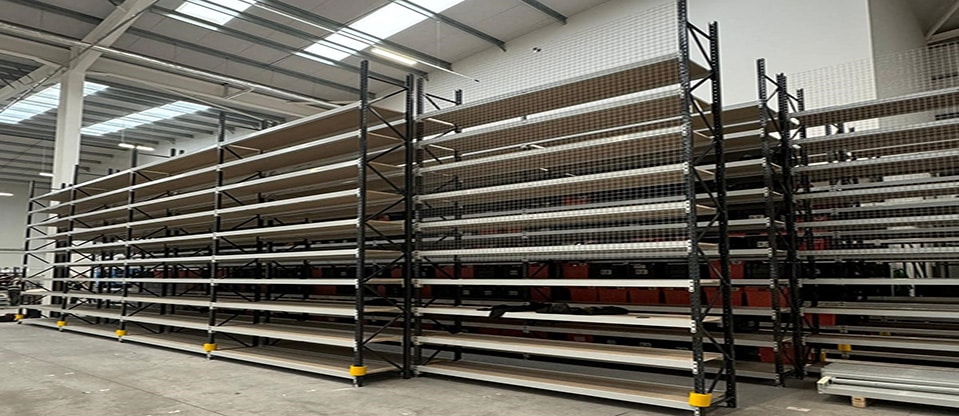
Heavy-Duty Industrial Shelving: The Perfect Solution for Busy Warehouses
Running a busy warehouse comes with many challenges, and finding the right storage solution is crucial to ensuring smooth operations. That's when heavy-duty industrial shelving stands out as the ideal choice. In this blog, we'll explore the benefits of investing in high-quality industrial shelving for your warehouse, and why our products offer excellent value for money.
Why Choose Heavy-Duty Industrial Shelving?
Most warehouses operate under demanding conditions and therefore require storage solutions that can withstand heavy loads, frequent usage, and tough environments. Below we have highlighted the key reasons why heavy-duty industrial shelving could be the perfect option for your warehouse.
1. Durability and Strength
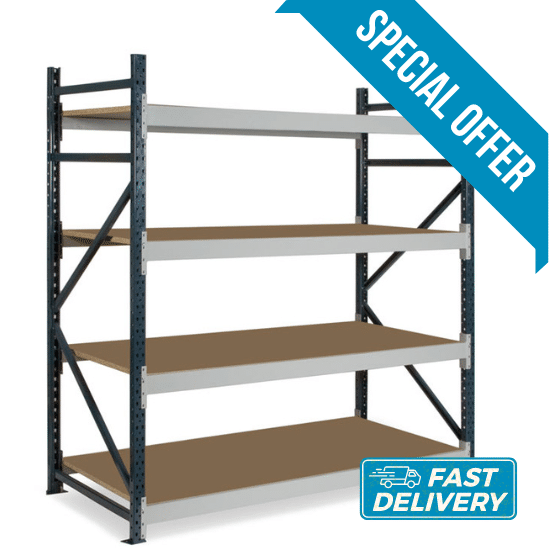
One of the main benefits of choosing heavy-duty industrial shelving is its ability to handle significant weight. Our shelving units are built with robust materials like high-gauge steel, making them capable of supporting large loads up to 1000kg per level without bending or warping.
2. Space Efficiency
In a busy warehouse, maximising storage space is critical. Our industrial shelving systems are available in various widths and heights, designed to make the most of both vertical and horizontal space, allowing you to store more products in a smaller footprint. They also have adjustable shelves providing flexibility, and a choose of levels, ensuring your storage solution can adapt to different product sizes and weights.
3. Easy Accessibility and Organisation
Heavy-duty shelving systems can help you organise your warehouse efficiently. With clear visibility of stored items and the ability to tailor the shelf configurations, your team can quickly locate and retrieve items, making them a great choice for picking, and storing lots of different SKUs. This boosts productivity and reduces the time wasted searching for products.
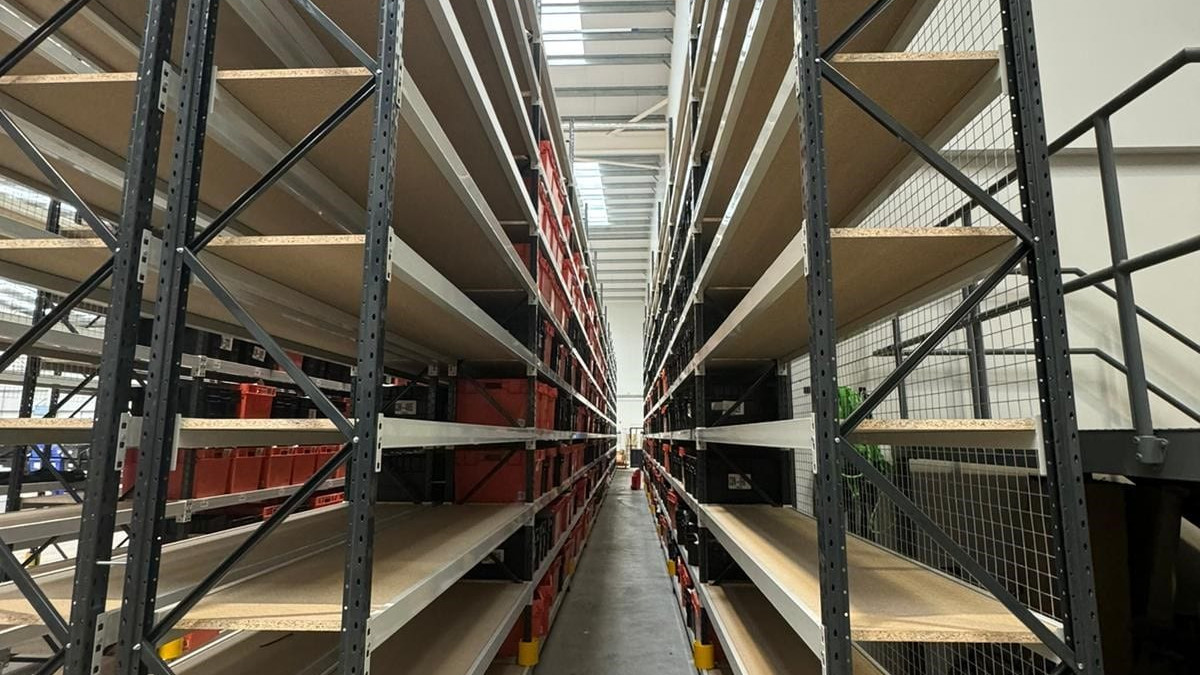
Value for Money: Quality and Affordability Combined
Investing in high-quality heavy-duty industrial shelving offers long-term value. With durable materials, and versatile functionality, our industrial shelving solutions offer excellent return on investment. Here’s why:
1. Low Maintenance
Our shelving systems require minimal upkeep. They are made from high-quality materials, that resist corrosion, scratching, and wear, they remain in top condition even in the harshest warehouse environments. This reduces maintenance costs and ensures the longevity of your shelving units.
2. Cost-Efficient
While our shelving solutions are of premium quality, they come at competitive prices. The long-term savings due to durability, low maintenance, and fewer replacements make them an affordable option for businesses looking to invest in reliable warehouse storage. Check out our latest deals
3. Customised To Your Requirements
Every warehouse has different needs. Our shelving systems are available in a range of sizes, load capacities, and configurations, allowing you to tailor your purchase to your specific requirements. This customisation helps you avoid overspending on unnecessary features, making your investment even more cost-effective.
4. Environmentally Friendly Materials
Our shelving is made from recyclable materials, contributing to sustainability goals. Choosing eco-friendly storage solutions not only helps the planet but can also improve your company’s reputation with customers and stakeholders who value environmental responsibility.
Why Choose Our Heavy-Duty Industrial Shelving?
Our heavy-duty industrial shelving is designed with warehouse managers in mind. We understand the fast-paced, demanding environment of warehouse operations, and we offer products that meet the highest industry standards. Here’s why you should choose Stamina Storage Systems for your industrial storage needs:
- Quality Material
Our industrial heavy-duty shelving systems are built with premium steel. Utilising cutting-edge production technology and stringent quality control processes, we guarantee the durability and performance of every product we deliver. - Quick Delivery – 2-4 days
At our expansive warehouse facility, we maintain a substantial inventory of shelving to meet the most common requirements across various industries. This allows us to efficiently cater to our clients’ needs and adhere to tight project timelines. Most orders of shelving, can be be delivered / or pickup with 2-4 working days from the order being placed. - Free consultation and Design
If you have a large warehouse, and need advice and guidance on the various options, our expert team are on hand to help. We can offer a free site visit to assess your requirements and provide a detailed design layout to ensure maximum space utilisations. Contact us to book a free site survey